On this page
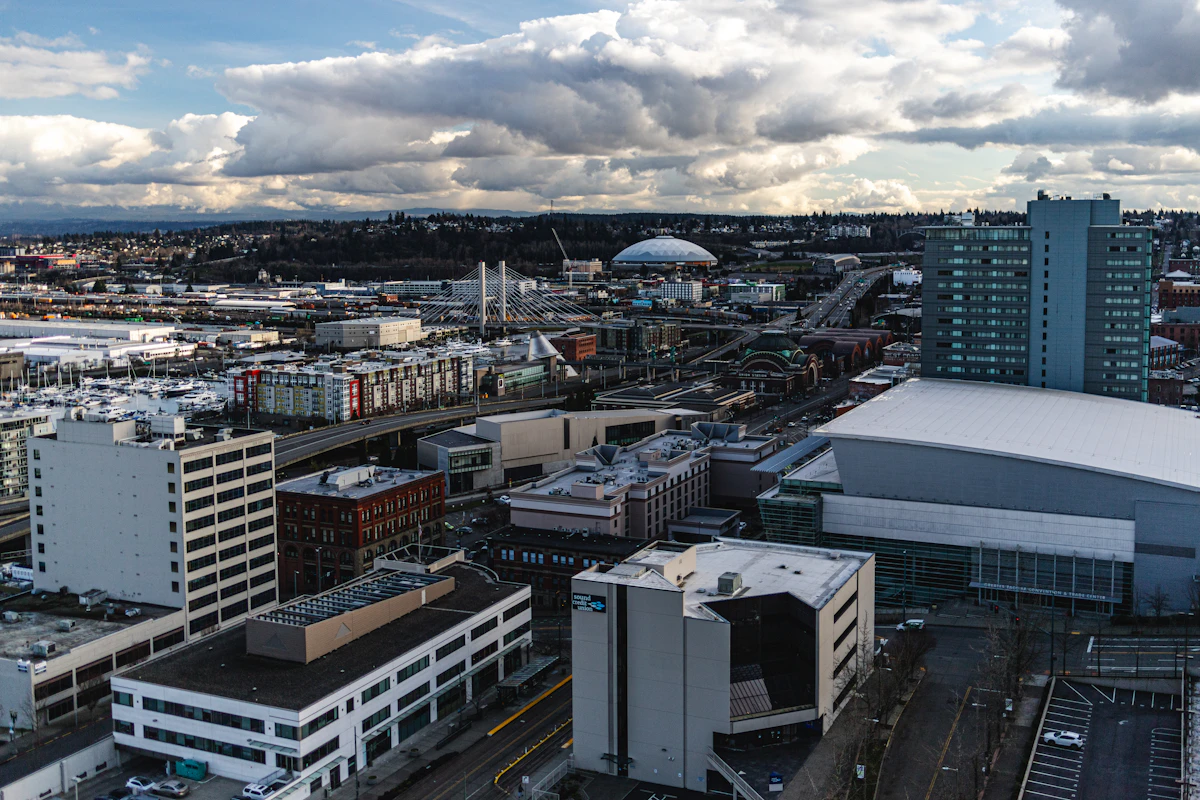
Affordable Tacoma Car Insurance Without Guesswork
Tacoma drivers need car insurance that meets Washington state requirements and fits the realities of daily life in Pierce County – from steep neighborhood hills to rain-soaked freeway commutes. This page helps you understand required coverage, common options, and how to request a quote from WashingtonCarInsurance.com.
Request a Washington auto insurance quote online or call 844-348-1313. WashingtonCarInsurance.com serves Tacoma drivers by phone and online. This page describes our service area; it does not represent a physical Tacoma office.
Rates and eligibility depend on the insurer, vehicle, drivers and selected coverage. Provide accurate household and vehicle information so you can compare the available choices and understand any conditions before coverage begins.
Car Insurance in Tacoma, WA: What You Need Right Now
Whether you commute along I-5 and SR 16, drive through neighborhood hills or finance a vehicle through a credit union, consider both the state requirements and what you could afford after a loss. Compare limits above the minimum and coverage for damage to your own car.
Here is what Tacoma drivers usually ask first:
-
“What is the minimum car insurance I legally need in Tacoma?”
-
“What coverages should I consider for rainy, hilly city driving?”
-
“How does financing my car affect my coverage choices?”
-
“What if I need an SR-22 to drive again in Washington?”
The rest of this guide answers each question in Tacoma-specific context. Where helpful, you will find links to deeper guides on our site covering Washington car insurance requirements, financing, SR-22 filings, and more.
Why Tacoma Drivers Work With WashingtonCarInsurance.com
WashingtonCarInsurance.com – a brand of Drivers Insurance Agency, Inc. – is built around Washington drivers’ needs. That includes Tacoma’s particular combination of city streets, freeway corridors, and neighborhood hills that make coverage decisions feel more complicated than they should be.
Here is what Tacoma residents can review on this page as they choose a car insurance company:
-
Focused on Washington laws and Tacoma realities – We stay current on Washington’s 25/50/10 minimum liability requirement, PIP and UIM written rejection rules, and how these apply when you live and drive in Tacoma. We can help you understand what the state requires before you make coverage decisions.
-
Help for commuters and irregular drivers – Whether you make daily trips along I-5, occasional runs to Seattle or Olympia, or only use a car on weekends for errands around University Place and Fircrest, we can help you explore coverage options that reflect how you actually drive.
-
Guidance on financed and leased vehicles – Lenders often require collision and comprehensive coverage. We explain what that means for your insurance policy and deductible choices so you can make informed decisions, with the kind of experience that helps drivers compare options with more confidence.
-
Support for SR-22 and non-owner situations – We can help arrange SR-22 filings and non-owner policies where insurers allow, with clear limits on eligibility and coverage scope.
-
Clear education, then quotes – We explain coverage and Washington rules in plain language and with real care before inviting you to request a quote. No pressure, no guesswork.
The rest of this guide answers each question in Tacoma-area driving context.
How Tacoma Car Insurance Works in Washington State
Tacoma drivers follow Washington’s statewide insurance and financial-responsibility rules. Review the DOL’s requirements and the OIC’s consumer resources, then distinguish legal requirements from your lender’s contract and your own coverage choices.
Washington Minimum Liability Requirements for Tacoma Drivers
As of 2026, Washington’s basic minimum auto liability limits are:
-
$25,000 bodily injury per person
-
$50,000 bodily injury per accident
-
$10,000 property damage per accident
These general limits are commonly written as 25/50/10. DOL also lists approved alternatives, such as a qualifying liability bond or certificate of deposit, and specific exceptions. Read the DOL mandatory-insurance page and our Washington minimum coverage guide for details.
Liability coverage pays for injuries and property damages you cause to others when you are legally responsible. It does not pay for your own vehicle repairs or medical bills.
A serious accident can cause damages above the policy limits, leaving you responsible for an uncovered amount. Ask for quotes at higher liability limits and compare the premium alongside the exposure you could retain. The state minimum is a legal floor, not a personalized coverage recommendation.
Personal Injury Protection (PIP) and Medical Coverage in Tacoma
Medical and injury coverage for you and your passengers is a key decision for Tacoma drivers. Personal Injury Protection (PIP) is not mandatory in Washington, but here is how the rules work:
-
Applicable Washington auto policies must offer PIP, but you may reject it in writing. Without a written rejection, the insurer adds it and charges for it.
-
If you do not want PIP, Washington law requires a written rejection. Drivers can reject PIP coverage in writing, and the insurer must retain that notice on file.
-
Washington is not a no-fault state; liability rules still apply, so PIP functions as supplemental protection rather than replacing fault-based claims.
PIP can help with covered medical, funeral, income-loss and loss-of-services expenses regardless of fault. The minimum medical benefit applies to expenses incurred within three years of the accident; other benefits have separate conditions and limits. Ask how PIP differs from any available medical-payments coverage and how benefits coordinate. See OIC’s PIP explanation.
Uninsured and Underinsured Motorist (UIM) Coverage
UM/UIM can help with covered losses involving an uninsured, underinsured or qualifying unidentified driver. It is subject to policy terms, coverage selections and claim requirements; it does not promise payment for every loss caused by another driver.
Here is how the rules generally work:
-
Applicable Washington policies must offer UM/UIM. Bodily-injury limits generally match liability limits unless all or part is rejected in writing. Review RCW 48.22.030 and the actual written coverage choices.
-
Uninsured/underinsured motorist property damage coverage is usually structured separately and may have its own deductible requirements.
UIM can help pay for medical costs, lost wages, and certain damages if the at-fault driver has no insurance or too little insurance. Uninsured/underinsured motorist coverage is recommended in Washington, and skipping it through written rejection is a serious decision Tacoma drivers should consider carefully – especially given daily exposure on busy corridors.
Key Tacoma Car Insurance Coverages Beyond the Minimum
Many Tacoma drivers add optional coverages for better protection on wet, hilly roads and busy corridors like Pacific Avenue, 6th Avenue, and I-705. These coverages are not required by Washington law for all drivers, but they fill important gaps that minimum liability leaves open.
Collision Coverage for Tacoma’s Hilly, Urban Roads
Collision coverage pays for vehicle repairs after an accident – specifically, it covers repair or replacement of your own vehicle if it is damaged in a covered collision with another car or object, minus your chosen deductible.
Tacoma-specific reasons to consider collision coverage:
-
A collision while maneuvering into a parking space or on a neighborhood street, including a hill in the Stadium District.
-
Front-end collisions on I-5 or WA-16 ramps in stop-and-go traffic during rush hour commutes.
-
Sliding incidents on rain-slick hills that can catch even experienced drivers off guard.
Your deductible choice affects out-of-pocket costs at claim time. A higher deductible can lower monthly premiums for car insurance, but you will pay more from your own pocket after a covered loss. Lenders on financed or leased vehicles often require collision coverage and may restrict how high your deductible can be.
Comprehensive Coverage for Weather, Theft, and Vandalism
Comprehensive coverage protects against theft and vandalism along with other non-collision events:
-
Theft or attempted theft of your car in Tacoma neighborhoods or park-and-ride lots.
-
Vandalism or broken glass when parked near venues, schools, or apartment complexes.
-
Damage from falling objects, fire, storms, or certain animal impacts.
Review comprehensive coverage if you want protection for covered non-collision damage, wherever you park. Check covered causes of loss, exclusions and the deductible. A lender or lessor may require this coverage, separately from Washington’s minimum liability requirement.
Roadside Assistance and Towing for Tacoma and Puget Sound Trips
Roadside assistance is an optional add-on some insurers offer that can help with towing, battery jumps, flat tires, or lockouts. For Tacoma drivers, this can be valuable in situations like:
-
Breakdowns during daily Tacoma-to-Seattle or Tacoma-to-Olympia commutes along I-5.
-
Needing a tow off I-5 near the Tacoma Dome or on the Narrows Bridge approaches, where stopping is dangerous and stressful.
Availability and details vary by insurer. WashingtonCarInsurance.com can help Tacoma drivers review roadside assistance options offered by participating carriers when you request a quote.
Tacoma Driving Conditions and Why Coverage Choices Matter
Tacoma’s travel conditions can help you think through practical coverage scenarios. For pricing, disclose your actual vehicle use and garaging location and compare quotes; road conditions alone do not establish a premium.
Hills, Wet Roads, and Winter Events
Tacoma’s mix of waterfront grades, downtown hills, and neighborhood slopes can become slick in rain or occasional snow and freezing events. Frequent wet pavement may motivate drivers to think about:
-
Keeping collision coverage on newer or financed vehicles, where repair costs would be substantial.
-
Choosing deductibles they feel comfortable paying after a covered loss, rather than defaulting to the highest option.
The City of Tacoma’s inclement-weather resources include snow routes and links to travel alerts. Crews prioritize arterial and other designated routes and do not clear residential streets. Check current travel information rather than assuming your neighborhood street will be cleared before a trip.
Commuting, Irregular Use, and Parking Patterns
Typical Tacoma driving patterns vary widely and can influence which coverages are attractive:
-
Daily commuters using I-5, SR 16 or SR 7 should disclose actual mileage and commuting use and consider how they would handle a covered collision or breakdown.
-
Irregular-use drivers who only take weekend trips or occasional errands around University Place, Fircrest, or Eastside neighborhoods may find their usage patterns affect how insurers evaluate risk.
-
Outdoor parkers who primarily park in public garages, downtown lots, or curbside overnight may benefit from comprehensive coverage to protect against theft, vandalism, and weather damage.
These patterns affect choices and underwriting, but no particular pattern always produces cheaper or more expensive insurance. Several factors work together to determine your premium rates.
Tacoma Drivers With Financed Vehicles: Insurance and Deductible Choices
Many Tacoma residents finance or lease their vehicles through regional banks, credit unions, or manufacturer programs. Lenders commonly require physical damage coverage – both collision and comprehensive – and typically ask to be listed as a loss payee on the insurance policy.
Understanding Deductibles on Collision and Comprehensive
A deductible is the portion of an eligible covered loss you bear, usually deducted from the covered payment or paid toward repairs. Collision and comprehensive may have different deductibles. Coverage limits, exclusions and the amount of covered damage still matter.
Common trade-offs to consider:
-
Compare the premium difference between deductible options and the additional amount you would owe after a covered loss. Choose an amount you could manage and check whether the lender or lease sets a maximum deductible.
-
Lower deductibles reduce out-of-pocket shock after a loss but may increase your monthly or annual premium.
Tacoma commuters should consider whether they could realistically pay their chosen deductible if they had a covered accident tomorrow. Budgeting for that possibility is part of responsible coverage planning.
Claims, Repairs, and Choosing a Repair Shop
After a covered loss, the typical process involves:
-
Reporting the claim to your insurer as soon as possible.
-
Inspection and a repair estimate, with Washington rules governing photo or virtual estimates and a requested in-person inspection when applicable.
-
Choosing a repair shop and discussing the approved repair scope, deductible and payment terms. Washington consumers generally may select their own shop; an insurer’s preferred network is not the only possible choice.
WashingtonCarInsurance.com does not own or operate repair shops and does not guarantee repair timelines or outcomes. Your insurer manages the claims process according to your policy terms.
SR-22 Car Insurance and Suspended Licenses in Tacoma
An SR-22 is an insurer’s filing showing financial responsibility. DOL may require it before reinstatement in certain cases. It is not a separate insurance policy or permission to drive. See our Washington SR-22 guide for the distinction between filing and license eligibility.
When Tacoma Drivers May Need an SR-22
DOL may require proof of financial responsibility following certain suspensions, uninsured accidents or qualifying driving offenses. Check your own DOL requirements and quote eligibility with the insurer; the effect on premium depends on the insurer and your circumstances.
The Washington Department of Licensing determines when an SR-22 is required and for how long – WashingtonCarInsurance.com does not make that determination. We can help eligible Tacoma drivers seek policies that include SR-22 filings with participating insurers, subject to underwriting.
How Long SR-22 Requirements Typically Last in Washington
In many cases, Washington drivers must maintain continuous SR-22 filing for about three years from the date the DOL says they are eligible to reinstate their license – not necessarily the date of the original conviction.
Key points to understand:
-
A canceled or lapsed policy can lead the insurer to notify DOL and can affect your driving privilege. Follow the requirement and dates in your DOL record instead of assuming every lapse automatically restarts a three-year period.
-
An SR-22 itself does not authorize driving; you must meet all DOL requirements for reinstatement before you can legally operate a vehicle again.
Ask how the insurer evaluates your driving and claims history and when information affects a renewal quote. A clean future record does not guarantee a particular discount or premium change.
Non-Owner Car Insurance for Tacoma Residents Who Borrow or Rent
Not every Tacoma resident owns a car, but some still need liability coverage to satisfy Washington requirements when they occasionally drive. Non-owner car insurance is a policy type some insurers offer that provides liability coverage for drivers who do not own a vehicle.
When Non-Owner Policies May Make Sense in Tacoma
Realistic scenarios where non-owner coverage may apply:
-
A Tacoma resident who occasionally borrows or rents a car and wants liability coverage. Check car-sharing and rental arrangements separately; non-owner coverage does not automatically pay for damage to the borrowed vehicle or apply to every service.
-
Someone needing to satisfy an SR-22 requirement even after selling their car – an operator’s certificate SR-22 filing can fulfill this need in some cases.
Important limits to understand:
-
Non-owner insurance is not designed for a car you own.
-
It is not intended for a vehicle kept in your household that you have regular access to.
WashingtonCarInsurance.com can help Tacoma drivers explore non-owner options with insurers that offer them, subject to eligibility. Call 844-348-1313 for questions about whether you qualify.
Keeping Tacoma Car Insurance Rates Manageable
Compare available car insurance quotes using the same drivers, vehicle use, liability limits, deductibles and policy term. Review insurer rules and the total cost so a lower payment does not hide different coverage or fees.
Coverage, Vehicles, and Driving Habits
Premium rates depend on several factors, including:
-
Coverage types and limits – Compare liability-only coverage with higher limits and any collision, comprehensive or other options. Adding coverage generally changes the premium; “full coverage” is not a standardized package.
-
Vehicle details – Your car’s age, value, safety features, and use pattern (daily commute versus occasional local trips) all play a role in determining your rate.
-
Driving history – An insurer may consider driving records, accidents and claims when rating the policy. Ask which information affects your quote and correct inaccurate records rather than assuming a fixed dollar surcharge for an event.
-
Household drivers – Disclose the age, license or permit status and vehicle access of household drivers. When a teen starts driving, ask about notification and eligibility rules. Our teen driver guide separates licensing rules from insurance decisions.
-
Credit-based factors – Washington permits insurers to use credit information subject to restrictions. Ask whether it affects your quote and review any required notice. See the OIC’s credit-and-insurance guidance.
Ask about available discounts and the documentation or enrollment each requires. Good-student, driving-record and vehicle-equipment rules vary by company. Compare the final premium and coverage across available insurers; a discount name does not guarantee a lower total cost.
Encourage yourself to think carefully about balancing protection against what you can afford to pay out of pocket after a loss.
Policy Reviews When Life in Tacoma Changes
Tacoma drivers should consider reviewing coverage when:
-
Moving from one Tacoma neighborhood or ZIP code to another – insurance rates in Tacoma can vary based on ZIP codes, traffic density, and driving history.
-
Changing commute patterns – switching from bus or light rail commuting to daily driving, or vice versa.
-
Paying off a car loan – you may decide whether to keep or drop collision and comprehensive coverage based on your vehicle’s current value.
-
Adding a younger driver – Contact the insurer before assuming a learner or newly licensed driver is covered, and compare household coverage using accurate information.
WashingtonCarInsurance.com can help adjust coverages based on these changes, subject to insurer rules. We do not promise lower premiums, but reviewing your policy as life changes is one of the most practical ways to keep coverage aligned with your needs.
How to Get Tacoma Car Insurance Through WashingtonCarInsurance.com
The process is straightforward and can start online or by phone if you prefer. Here is how it works:
Step 1: Share Basic Information About Your Tacoma Driving
Have the following ready when you reach out:
-
Names and dates of birth for all drivers in the household
-
Vehicle details – year, make, model, and VIN if available
-
Garaging address in Tacoma or nearby community
-
Approximate annual miles and main uses (commute, school, business, pleasure)
You can provide this through WashingtonCarInsurance.com’s online quote-request form or by calling 844-348-1313.
Step 2: Review Washington Coverage Options
An agent reviews state-required and optional coverages with you, including:
-
Liability limits and available higher options beyond 25/50/10
-
PIP and UIM coverage offers, along with written rejection requirements where Washington law allows
-
Collision, comprehensive, and deductible choices – especially important for financed vehicles where lenders set requirements
The goal is to help you understand trade-offs in plain language. Coverage decisions remain your choice.
Step 3: Submit Application and Await Insurer Decision
WashingtonCarInsurance.com submits your information to participating insurers. Underwriting decisions, final premium amounts, and binding authority come from the insurer – not the website alone.
Some applications may require additional questions, documents, or signatures, especially where SR-22 filings are involved. No coverage is bound until confirmed by the insurer. Tacoma drivers can usually expect to receive policy documents via email or mail, depending on insurer systems.
A Tacoma Commute and Financed-Car Coverage Checklist
Use the same information when you request a Tacoma car insurance quote, whether your household drives daily or combines driving with transit. Review these points before choosing a policy:
- Actual vehicle use: record the annual miles, work and school trips, and any delivery or rideshare activity. Report a real change rather than choosing a lower-use category just for price.
- Loan or lease terms: confirm required collision and comprehensive coverage, maximum deductibles, and the lender’s exact name and requested policy listing.
- Transportation after a covered loss: ask about rental reimbursement’s daily and total limits and roadside assistance’s dispatch and towing rules.
- Payment comparison: compare the total policy-term premium, down payment, installment fees and conditions attached to discounts.
Our buying and financing checklist helps coordinate the lender and insurer. Use the affordable coverage guide to compare total cost and the claims and deductibles guide to understand a covered repair.
Compare Your Deductible With the Cost of a Covered Repair
For a simplified example, a $2,000 covered repair with a $500 deductible would leave $1,500 after subtracting that deductible, before any other applicable policy provisions. This is claim arithmetic, not a Tacoma repair-price estimate or a quote. If covered damage is below the deductible, that coverage may make no payment.
Keep roadside and rental benefits separate in the comparison. Towing can have distance or dollar limits, while rental reimbursement usually has daily and total limits and must follow an eligible covered loss. Ask what happens if repairs take longer than the benefit lasts. Your claims and repair options also depend on whether you claim under your own policy or another driver’s liability coverage.
If your vehicle access changes, compare an owner policy with the eligibility limits in our non-owner insurance guide. Review the Washington city directory for other service-area resources.
Frequently Asked Questions About Tacoma Car Insurance
These questions come up often from Tacoma and Pierce County drivers. Answers are general guidance and not legal advice.
Is car insurance more expensive in Tacoma than in other Washington cities?
Premiums vary by insurer, garaging location, drivers, vehicle and selected coverage. A citywide average from a different year or driver profile does not predict your quote. To compare Tacoma with another location after a real move, provide the correct garaging address and hold the other quote details consistent where possible.
Do Tacoma drivers need special coverage for snow and ice?
Washington’s legal minimums are the same statewide regardless of local weather. However, Tacoma’s occasional snow and ice events make some drivers more interested in collision coverage and reasonable deductibles. Check Tacoma’s official inclement-weather resources for road condition updates and choose coverages that align with how often and where you drive in winter conditions.
Can I drive in Tacoma with just Washington’s minimum 25/50/10 liability coverage?
Meeting Washington’s financial responsibility requirement – often the 25/50/10 liability minimum – is generally required to legally operate a vehicle, subject to any alternative proof allowed by law. However, minimum limits might not cover all costs of a serious accident. Many Tacoma drivers choose higher limits for added protection of personal assets. WashingtonCarInsurance.com explains options but does not give legal advice; final coverage selections are up to you.
How does an at-fault accident in Tacoma affect my insurance?
An insurer may consider an at-fault accident or claim under its rating and underwriting rules. The effect and duration vary, so ask how it affects your specific policy and renewal quote. There is no single dollar increase that applies to every Tacoma driver or every accident.
Can WashingtonCarInsurance.com help Tacoma drivers who don’t own a car?
Yes, in some cases. We can help explore non-owner liability policies with certain insurers for Tacoma residents who do not own a car and do not have a regular-access household vehicle. Non-owner insurance is not for a car titled to you or kept at home for regular use. Call 844-348-1313 for eligibility questions.
Does Paying Off My Tacoma Car Loan Automatically Remove Collision Coverage?
No. Contact the insurer to update the lender information and discuss your coverage choices after payoff. The lender’s requirement may end, but you still need to decide whether you could afford to repair or replace the car yourself. Confirm any requested coverage change and its effective date rather than assuming it happens automatically.
Should I Change My Policy If I Start Taking Transit Instead of Driving to Work?
Tell the insurer your revised commuting pattern and estimated annual miles while also disclosing the driving you still do. Ask whether the use classification or any available low-mileage program applies. Taking transit does not by itself end the need for insurance or guarantee a discount.
Will the City of Tacoma Automatically Pay for Pothole Damage?
No. A road hazard does not by itself establish city liability. Tacoma’s claims information explains notice and opportunity-to-repair considerations. Document the event and ask your insurer whether a purchased coverage applies, including the deductible; submitting a claim does not guarantee payment.
What Should I Compare Besides the Monthly Car Insurance Payment?
Compare the total cost for the same policy term, liability limits, collision and comprehensive deductibles, PIP and UM/UIM choices, and any towing or rental benefits. Include installment fees and discount conditions. Confirm the exact effective date and insurer acceptance before canceling another policy or driving a newly purchased vehicle.
Start Your Tacoma Car Insurance Quote
Tacoma drivers can get help understanding Washington requirements, selecting coverages, and requesting quotes tailored to their driving needs and budget. Whether you are a daily commuter, a weekend-only driver, or someone who needs an SR-22 to get back on the road, we are here to provide guidance.
Request a Tacoma-focused auto quote through the online form at WashingtonCarInsurance.com or call 844-348-1313 during normal business hours.
WashingtonCarInsurance.com is a brand of Drivers Insurance Agency, Inc. We are not a government agency. Coverage is subject to insurer underwriting, availability, and policy terms.