On this page
If you live in Federal Way and drive I‑5, SR‑18, or Pacific Hwy S, your car insurance needs to match the roads you actually use-not a generic national template. Whether you are shopping for a first-time policy, dealing with a renewal increase, need an SR‑22 filing, or just bought a new vehicle, WashingtonCarInsurance.com helps Federal Way, Washington drivers compare personal auto coverage options and request a quote online or by phone.
Washington’s general liability minimums are 25/50/10 for applicable vehicles, but a serious accident can exceed them. Compare higher limits with the additional premium and the financial exposure you would retain. A commute on a particular highway does not establish a universal coverage recommendation or expected repair cost.
Ready to explore your options? Call 844-348-1313 or submit a quick quote request at request a quote. Quotes do not bind coverage-final terms, premium, and eligibility depend on insurer approval and underwriting.

Why Federal Way Drivers Choose WashingtonCarInsurance.com
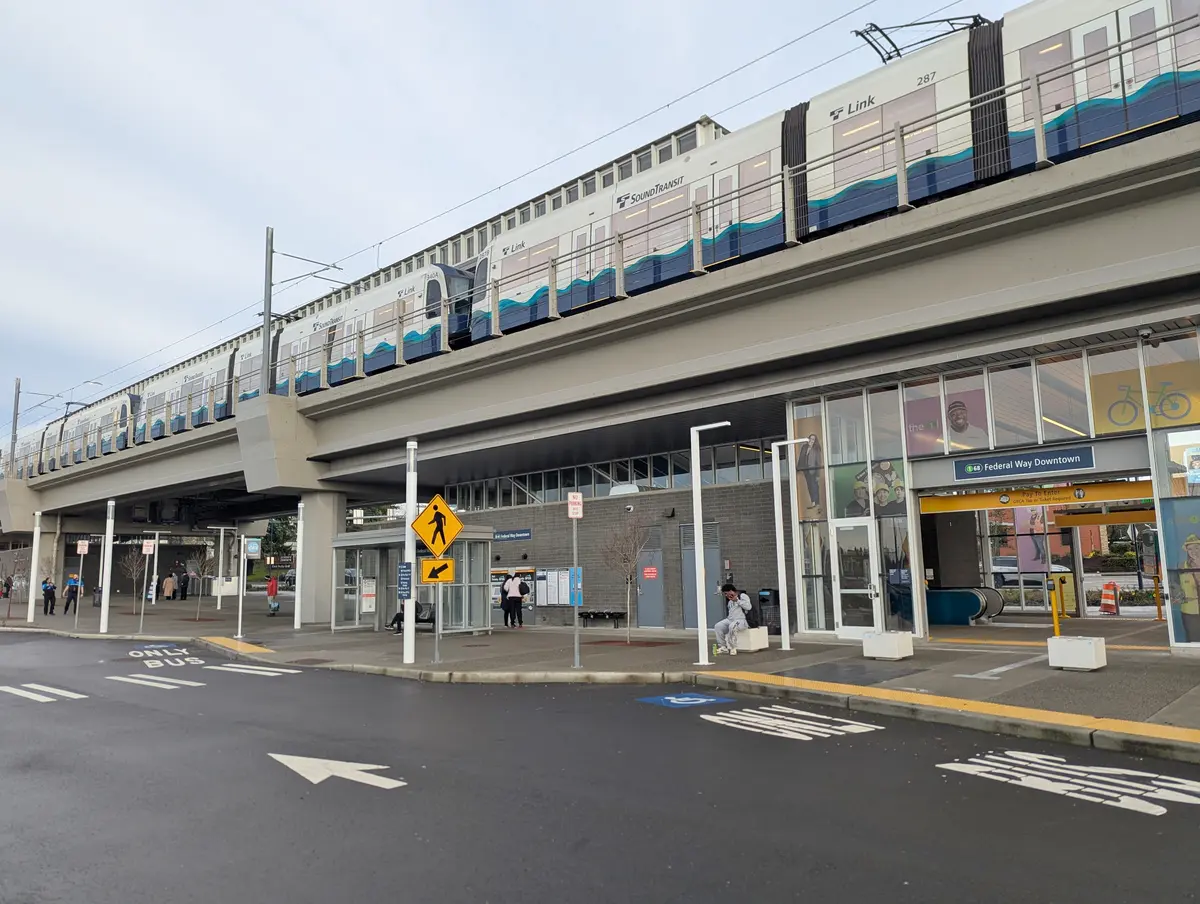
If you drive on I-5, SR 18 or Pacific Highway South, combine car travel with transit, or leave a vehicle parked during the workday, describe that use when requesting quotes. Review the policy against your household’s actual drivers, vehicles and transportation needs.
WashingtonCarInsurance.com is operated by Drivers Insurance Agency, Inc. We provide personal auto guidance and quote assistance online and by phone. This page does not represent a physical Federal Way office or a government agency.
Trust Factors for Federal Way Car Insurance Shoppers
Compare the coverage, service arrangements and total premium in a written proposal. Ask about anything unclear before accepting terms.
-
This guide focuses on Washington personal auto insurance, including SR-22 filings and non-owner options. It does not establish the availability of other insurance products or any particular insurer’s program.
-
Educational guides on Washington requirements are checked against WA DOL and the WA Office of the Insurance Commissioner as of November 4, 2026.
-
A quote request supplies information for an insurer’s review. Ask which insurers and options are included, who will follow up and what information is needed next. Submitting the request does not guarantee acceptance or coverage.
-
WashingtonCarInsurance.com is an independent state-branded resource operated by Drivers Insurance Agency, Inc., without government affiliation. Ask about available insurer options rather than assuming an affiliation with any company mentioned elsewhere in search results.
What Makes Our Federal Way Car Insurance Approach Different
These topics can help you prepare for a coverage discussion: accurate vehicle use, household drivers, limits, deductibles and any individual DOL requirement.
-
Accurate commute and garaging information. Report your actual mileage, work travel and where the car is normally kept. Washington permits certain uses of credit-based insurance information subject to restrictions; see OIC’s credit and insurance guide. The insurer determines how permitted rating factors affect its quote.
-
Household driver disclosure. Tell the insurer who lives with you and who regularly uses each car, then follow its listing requirements. Undisclosed information can affect eligibility or coverage; listing a driver does not remove every policy exclusion.
-
Plain-language coverage explanations. Liability, optional PIP, optional uninsured/underinsured motorist (UM/UIM), and comprehensive/collision are explained so you understand what you are actually paying for before you decide.
-
SR-22 and coverage-history questions. If DOL requires a filing or you have had a coverage gap, ask about eligible options. The Washington SR-22 guide explains the filing and its limits.
-
Non-owner car insurance when appropriate. Federal Way residents who borrow cars or rent occasionally but do not own a vehicle may qualify for non-owner coverage. Review more at non-owner coverage.
Federal Way Auto Insurance Basics
Start with the state’s general liability requirement and approved alternatives, then review PIP, UM/UIM and vehicle-damage options. The actual policy and your individual circumstances determine which benefits and requirements apply.
Washington State Minimum Liability Requirements
Liability coverage may pay covered injuries or property damage for which an insured is legally responsible, subject to its limits and exclusions. It does not pay to repair the insured’s own car.
The general minimums are $25,000 for bodily injury or death to one person, $50,000 for bodily injury or death to two or more people per accident, and $10,000 for property damage per accident. See DOL’s mandatory-insurance guidance for the rule, alternatives and vehicle exceptions. Vehicles registered in another state follow that state’s insurance laws.
A hypothetical covered accident causing $30,000 of property damage would leave $20,000 above a $10,000 property-damage limit. Compare higher limits with their actual premium. DOL states that driving without required insurance can result in a fine of $550 or more; other consequences depend on the circumstances.
DOL lists approved alternatives including a qualifying liability bond or certificate of deposit of at least $60,000, and self-insurance for qualifying owners of 26 or more vehicles. Confirm eligibility and documentation before relying on an alternative.
For a deeper look at minimum requirements and the tradeoffs of carrying only the legal minimum, visit Washington minimum coverage.
Personal Injury Protection (PIP) in Federal Way
Applicable Washington auto policies must offer PIP. You may reject it in writing; otherwise, the insurer adds it and charges for it. PIP can help with specified expenses regardless of fault, while liability coverage addresses a different part of an accident claim.
Minimum PIP benefits include $10,000 for covered medical expenses incurred within three years, $2,000 for funeral expenses, and specified income-loss and loss-of-services benefits with their own limits and conditions. See OIC’s PIP explanation and ask about available higher limits. The medical benefit’s three-year period does not apply to every PIP benefit.
Review PIP alongside health insurance, household finances and the people who may be covered under your policy. Ask about exclusions, waiting periods and benefit coordination. A winter trip does not change the policy’s benefit limits or guarantee payment.
Health insurance alone may have deductibles, copays, and coverage limits that leave gaps after an accident. PIP can reduce those out-of-pocket costs. Availability, limits, and pricing depend on the insurer and policy-details come from the actual quote and policy form.
Uninsured and Underinsured Motorist (UM/UIM) Coverage
UM/UIM coverage can help if the at-fault driver has no insurance or not enough liability limits to cover your injuries or property damage, per your policy terms. Uninsured/underinsured motorist coverage must be offered in Washington, but you may reject it wholly or partly in writing-it is not a mandatory purchase.
Ask how UM/UIM bodily-injury and property-damage coverage differ, including limits, deductibles and reporting requirements for unidentified-driver claims. Washington’s statute generally provides bodily-injury limits matching liability unless reduced or rejected in writing as permitted. Do not assume every hit-and-run or phantom-vehicle loss qualifies.
Rejecting UM/UIM might save money on your premium now, but it could leave a significant gap if you are seriously injured by a driver who carries only minimum limits-or no insurance at all. Talk through UM/UIM options during the quote conversation rather than declining by default.
Comprehensive and Collision (“Full Coverage”) on Federal Way Vehicles
“Full coverage” is an informal label. Identify liability, PIP, UM/UIM, comprehensive, collision and other benefits separately, including each applicable deductible and exclusion.
-
Collision coverage helps pay to repair or replace your vehicle after an accident with another car or object, per policy terms and minus your deductible.
-
Comprehensive coverage protects against theft, vandalism, fire, and weather-related damage, as well as falling objects, glass breakage, or certain animal collisions, subject to policy terms.
A lender or leasing company may require comprehensive and collision and limit the deductible by contract. These coverages are not required by Washington’s general liability-insurance law. Compare available deductible choices with the actual premium and the amount you could afford after a covered loss.
For a closer look at how deductibles work in real claims, visit claims, repairs and deductibles guide.
SR‑22 Filings for Federal Way Drivers
An SR‑22 is a certificate of financial responsibility filed with the Washington Department of Licensing, not a separate insurance policy. It is attached to an existing auto liability policy or, in some cases, a non-owner policy.
A Federal Way driver might need an SR‑22 due to certain license suspensions, DUI convictions, uninsured collisions, or other DOL-determined events. The DOL sets requirements on a case-by-case basis. In many cases, continuous SR‑22 filing is required for three years from the date a driver becomes eligible to reinstate, but individual timeframes and conditions are controlled by DOL.
Having an SR‑22 filing on a policy does not itself give someone permission to drive. The driver must also meet all DOL requirements for a valid license, including paying fees and satisfying any court orders.
Ask about policies that can include the required filing, subject to insurer eligibility. The SR-22 guide explains the process; use the site’s quote request to provide your details.
Federal Way Personal Auto Policy Options
Federal Way residents are not all in the same situation. Some own multiple cars, some borrow one, some commute daily to Seattle or Tacoma, and others mostly drive locally. This section outlines common policy setups WashingtonCarInsurance.com can help Federal Way drivers explore through the quote process, subject to insurer eligibility and underwriting.
Standard Personal Auto Policies for Federal Way Households
A typical Federal Way household might include parents commuting on I‑5 or SR‑167, teen drivers, or a family sharing cars in an apartment community. A standard personal auto policy can include liability, optional PIP and UM/UIM, comprehensive/collision, towing, and rental reimbursement (if available), with custom options depending on the insurer.
Disclose household members and regular drivers as requested by the insurer. Provide actual annual mileage, commute details and vehicle access. Omitting required information can affect a quote or claim; ask how the insurer wants an uncertain situation reported.
Non-Owner Car Insurance for Federal Way Residents Without a Vehicle
Non-owner car insurance provides liability coverage for individuals who do not own a vehicle but occasionally drive borrowed or rental cars, subject to policy terms and insurer rules. It typically does not cover physical damage to a borrowed vehicle, regular use of one specific car, or vehicles kept at the policyholder’s address.
Federal Way examples: someone who takes Sound Transit or RapidRide to work but rents cars on weekends, or a resident between vehicles who still needs liability coverage for occasional driving. If you regularly use a specific person’s car or keep a car at your home, you likely need to be listed on that vehicle’s policy instead.
Eligibility depends on insurer guidelines. Review more at non-owner coverage.
Policies With SR-22 Filings for Federal Way Drivers
Some Federal Way drivers need a policy that includes an SR‑22 filing to satisfy DOL. These may be standard owner policies or non-owner policies, depending on whether you have a car. Not every insurer will file SR‑22s, and underwriting will consider driving history, violations, accidents, and license status.
A lapse or cancellation can lead to further DOL action, including suspension. Confirm the effect on your own requirements rather than assuming an automatic restart of the filing period. Coordinate any insurer change and review the SR-22 guide.
Coverage for Commuters Versus Low-Mileage Drivers in Federal Way
Report whether you commute daily, work remotely, drive on changing schedules or use the car for occasional errands. These details may affect rating and eligibility. A particular route, employer or shift does not establish a universal premium.
WashingtonCarInsurance.com’s quote questions around usage, garaging, and commuting are designed to match policies to real-world Federal Way driving habits-not assumptions based on zip code alone.
How Our Federal Way Car Insurance Quote Process Works
Three clear steps take you from first contact to an issued policy. Coverage is not active until an insurer confirms and the customer accepts terms and makes required payments. You can start online or by calling 844-348-1313. This process applies to standard, SR‑22, and non-owner inquiries.
Step 1: Share Your Federal Way Driving Details
The process begins with a short quote request at request a quote or a phone call. You provide basic information: vehicles, VINs if available, drivers in the household, daily commute routes, annual mileage, and parking location.
If you have an existing policy, have your declarations page handy-it makes it easier to review current limits and coverage options side by side. Information is used to match you with potential insurer programs, subject to underwriting review.
Step 2: Review Your Coverage Options
An agent or representative discusses coverage choices with you: liability limit options above the 25/50/10 minimum, PIP, UM/UIM, comprehensive/collision, deductibles, and extras like roadside assistance or rental reimbursement if available.
Review practical examples: a collision, damage to a parked vehicle, a breakdown or a period without the car during repairs. Ask which coverage could apply and what limits or exclusions matter. Eligibility, price and coverage depend on the insurer’s terms.
Step 3: Finalize and Maintain Your Policy
Before relying on a policy, confirm acceptance, payment conditions and the effective date and time. Check the declarations for vehicles, drivers and other policy details; ID cards do not necessarily show the full driver list or garaging address. Keep current proof of coverage and report household changes.
For SR‑22 customers: confirm that DOL has received the SR‑22 from the insurer and track your required filing period. SR‑22 removal typically happens after DOL confirms eligibility-not automatically by time alone.
Federal Way Road Information and Transportation Planning
Use official road information to plan travel, then separately review the insurance choices that could help after a covered loss. Road conditions alone do not determine a claim outcome or a premium.
Winter Weather, Hills, and Roadway Conditions
The City of Federal Way’s roadway conditions page provides road images, winter information and a snow-plow map. Major arterials receive priority. Once those roads are passable and resources allow, residential treatment may follow, with priority for neighborhood collectors and hills. Residential streets may not be treated to bare, wet pavement.
The city accepts plowing and deicing requests through Eyes on Federal Way. Check current conditions and avoid assuming a request guarantees a particular response time or a safe route. Give road crews room and follow current travel advice.
For financial planning, consider what a covered collision or damage to a parked car would mean for your household. Compare the applicable deductible, vehicle-damage coverage and any transportation benefits against your backup plan.
Traffic Patterns and Commuter Exposure
Check current road and transit information before a trip on I-5, SR 18 or local roads. Construction, incidents and weather can change access; this page does not assert that a particular lane closure or project is currently active.
If your work location or travel pattern changes, update mileage and vehicle-use information with the insurer. For a commute that combines driving with transit, include the drive to the station and other trips in your estimate. Do not assume transit use automatically qualifies for a discount.
Balancing Deductibles, Transportation Needs, and Budget
This section helps Federal Way drivers decide between different comprehensive/collision deductibles and optional extras like rental reimbursement.
Choosing Comprehensive and Collision Deductibles
A deductible is the amount you retain on a covered loss to which it applies, commonly subtracted from a collision or comprehensive payment. Ask which choices are available and permitted by any loan or lease contract.
The tradeoffs are straightforward: a lower deductible usually means a higher premium but a smaller surprise after a crash. A higher deductible can lower your premium but may be hard to pay unexpectedly. Think about how often you drive, whether you have savings set aside for emergencies, and the current value of your vehicle when you decide on a deductible.
Rental Reimbursement and Transportation Options After a Loss
Rental reimbursement, if available from the insurer, can help pay for a rental car while a covered claim is being repaired, up to daily and total limits in the policy.
For Federal Way drivers who depend on a vehicle for I‑5 commuting and cannot easily rely on transit, rental reimbursement may be especially important. Some drivers may have alternatives-Sound Transit, King County Metro, or carpooling-but not everyone can replace a vehicle with transit, especially on certain shifts or routes.
Ask for the actual additional premium and compare rental reimbursement’s daily and total limits. Consider what transportation you could use if the benefit does not apply or ends before repairs finish.
Keeping Federal Way Car Insurance Affordable Without Cutting Too Much
There is a difference between smart savings and risky coverage gaps.
-
Adjust deductibles thoughtfully based on your financial situation and vehicle value.
-
Estimate annual mileage accurately and tell the insurer when vehicle use changes.
-
Ask when to remove a sold or traded vehicle, and confirm coverage for any replacement before relying on it.
-
Re-check any discounts the insurer may offer (multi-car, safe driver, etc.), subject to availability and eligibility.
Do not drop liability limits to bare minimum or remove PIP and UM/UIM solely to lower your premium without understanding the protection you are giving up. The financial consequences of being underinsured in a serious accident on I‑5 or SR‑18 can far exceed any premium savings.
Visit affordable coverage options for a deeper discussion of ways to manage cost without ignoring important protections.
How WashingtonCarInsurance.com Supports Federal Way Drivers After an Accident
Each insurer has its own claims department and processes, but WashingtonCarInsurance.com provides educational resources so you know what to expect.
What to Do Immediately After a Crash in Federal Way
-
Move to safety if possible and turn on hazard lights.
-
Call 911 if anyone is injured or the road is blocked.
-
Exchange information with other drivers: names, phone numbers, insurance details, license plate numbers.
-
Document the scene with photos-vehicle damage, road conditions, traffic signs, weather.
-
Note road and weather conditions, especially during snow, ice, or heavy rain.
-
Obtain an incident number from Federal Way police or Washington State Patrol when applicable.
Understanding Repairs, Total Losses, and Deductibles
An insurer evaluates repair or total-loss handling under the policy and applicable requirements. Ask how the valuation, deductible and settlement were calculated. A deductible is commonly subtracted from the payment; the insurer does not necessarily pay every repair expense above it.
Ask about repair-shop choices, authorization and how estimates or supplemental damage will be handled. WashingtonCarInsurance.com does not control insurer claim decisions. See the claims, repairs and deductibles guide for questions to prepare.
How Coverage Choices Affect Your Recovery
Coverage choices can affect what benefits are available after a loss. Each benefit remains subject to the policy terms and the facts of the claim.
-
PIP can help cover medical bills and lost wages after a multi-car pileup on I‑5, regardless of who caused it, subject to policy limits and terms.
-
UM/UIM may respond when you are struck by an uninsured or underinsured driver on Pacific Hwy S, depending on your policy terms.
-
Rental reimbursement may help with transportation after a qualifying covered loss, within its daily, total and other limits.
-
Higher liability limits increase the amount available for covered damages for which an insured is legally responsible, but exclusions and amounts above the limit remain relevant.
If you are not sure your current setup matches your life, request a coverage review through WashingtonCarInsurance.com-especially after life changes like moving, adding teen drivers, or paying off a loan.
Areas We Serve Around Federal Way
WashingtonCarInsurance.com serves drivers across Washington State. This page focuses on Federal Way and nearby South King County communities.
-
Whether you live near Twin Lakes, S 320th Street or elsewhere in the Federal Way area, provide the actual address where the vehicle is normally kept. Postal labels and nearby city names do not replace accurate garaging information.
-
Surrounding cities and communities: Kent, Auburn, Des Moines, Milton, Edgewood, Pacific, and SeaTac.
For an overview of other areas we serve, visit our Washington city directory page. Kent drivers can also find focused information at Kent car insurance.
Compare Your Existing Policy With a Federal Way Quote
Put the existing policy and new proposal side by side. Match household drivers, vehicles, liability limits, PIP and UM/UIM selections, and each car’s comprehensive and collision deductibles. Record rental benefits, roadside limits, the total premium, term and installment fees. Ask an insurance agent to explain each difference before deciding whether a lower rate is a better fit.
Your financial goals can help frame the discussion: keeping enough savings for a deductible, maintaining required lender coverage and protecting against covered liability claims above the minimum. None produces one universal policy recommendation. Compare actual options and the amounts you would still have to pay after a loss.
If a proposed discount depends on a home or renters policy, compare the combined cost and coverage and confirm availability. A multi-policy discount does not automatically mean the lowest total cost, and another product is not promised through this site. Ask which carriers and programs are included in the quote review.
Build a Car-and-Transit Plan for Federal Way, WA
When a commute combines driving and transit, count the drive to the station, other work trips and personal use in your mileage estimate. Tell the insurer where the vehicle is normally kept and about any change in garaging or regular drivers. Ask how the updated information affects the proposal without assuming a discount.
A car left parked can still suffer a covered collision, theft or other damage. Compare physical-damage coverage and deductibles separately from how often you drive. If the vehicle is financed, check the contract before reducing coverage; if it is paid off, weigh its value and your replacement budget.
For a covered loss, plan how you would travel while repairs are pending and after any rental benefit ends. Compare the cost of the endorsement, daily and total benefit limits, and practical alternatives for your schedule. Insurance does not guarantee immediate towing, a rental vehicle or a fixed repair time.
Frequently Asked Questions About Federal Way Car Insurance
These FAQs address common questions that can delay a decision to request a quote or update coverage. If your question is not answered here, call 844-348-1313 to connect with a person who can help.
How much car insurance do I legally need to drive in Federal Way?
For applicable vehicles, Washington’s general liability minimums are 25/50/10: $25,000 for bodily injury or death to one person, $50,000 for bodily injury or death to two or more people per accident, and $10,000 for property damage per accident. DOL-approved alternatives and specific exceptions exist. An SR-22 filing may be a separate individual requirement. See the minimum coverage guide.
Can WashingtonCarInsurance.com tell me my exact Federal Way car insurance price online?
The site provides a way to request quotes but does not display instant, binding online rates. Actual premiums vary based on individual factors: driving history, accidents, violations, vehicle type, garaging address, annual mileage, prior insurance, and selected coverages. A quote is not final or binding until the insurer completes underwriting and issues terms you accept. Use the request a quote form or call 844-348-1313 to get a personalized estimate.
What if I need an SR‑22 to reinstate my Washington driver license?
An SR-22 is an insurer filing with DOL, not permission to drive. DOL generally requires proof for three years from eligibility to reinstate, subject to individual requirements. Ask about an eligible policy and filing, and confirm all reinstatement conditions with DOL. The SR-22 guide provides more detail.
Is non-owner car insurance a good fit if I live in Federal Way but don’t own a car?
Non-owner policies are designed for people who do not own a vehicle and do not have regular access to one, but still drive occasionally. If you regularly use a specific car-such as a partner’s or roommate’s-or keep a car at your home, you may need to be listed on that vehicle’s policy instead. Federal Way scenarios where non-owner coverage might fit: commuters who mostly use transit but rent cars monthly, or people between vehicles who still need liability coverage for occasional driving. Review non-owner coverage to see if you might qualify.
How do deductibles and rental car coverage affect me after an accident in Federal Way?
A collision or comprehensive deductible is your retained share of a covered loss, commonly subtracted from payment. Rental reimbursement has separate conditions and limits. Other possible sources of transportation payment depend on the facts and coverage; do not assume an insurer will pay before it confirms the benefit. See the claims and repair guide.
Can WashingtonCarInsurance.com help me lower my Federal Way car insurance costs?
The site cannot guarantee savings or specific discounts, but can help Federal Way drivers compare coverage options and explore ways to manage premiums. Strategies include reviewing current limits, verifying accurate mileage and garaging information, adjusting deductibles thoughtfully, and checking for insurer-offered discounts subject to availability. Do not drop PIP or UM/UIM or slash liability limits solely to reduce price without understanding the protection being given up. Visit affordable coverage options for a deeper look at cost-management strategies.
Is $200 a month expensive for Federal Way car insurance?
The amount alone cannot tell you. Compare the policy term, vehicles, drivers, limits, deductibles, fees and discount conditions with equivalent current quotes. A lower monthly payment may mean less coverage, a different payment schedule or a shorter term.
Is a partner covered when borrowing my car?
Tell the insurer whether your partner lives with you, how often they drive the car and whether they have regular access. Permission to borrow does not settle every policy condition. Ask about driver listing, exclusions and the coverage that applies before relying on it.
Which insurance company is cheapest in Federal Way?
No company is cheapest for every driver. Request equivalent quotes using accurate household and vehicle information. Check the total cost, coverage and claim-service arrangements rather than relying on an advertised starting price or another driver’s experience.
How much could a higher deductible save?
Ask for the actual premium difference with other coverage unchanged. Moving from a $500 to a $1,000 deductible adds $500 to your retained share of a covered loss to which it applies. Confirm lender rules and choose an amount you could afford; savings are not guaranteed.
Get Started with Federal Way Car Insurance Today
Prepare your driver, vehicle, garaging and mileage details, then compare coverage choices with the premium and costs you would retain. Review any lender or DOL requirements before choosing a policy.
Call 844-348-1313 or visit request a quote to request a Federal Way car insurance quote, including options for SR‑22 or non-owner coverage where eligible. Policies are issued by participating insurers, not by WashingtonCarInsurance.com itself. Coverage is not in force until the insurer confirms and you accept terms and pay the required amount.
WashingtonCarInsurance.com is operated by Drivers Insurance Agency, Inc. We assist Federal Way drivers online and by phone, with coverage subject to insurer terms and eligibility.