On this page
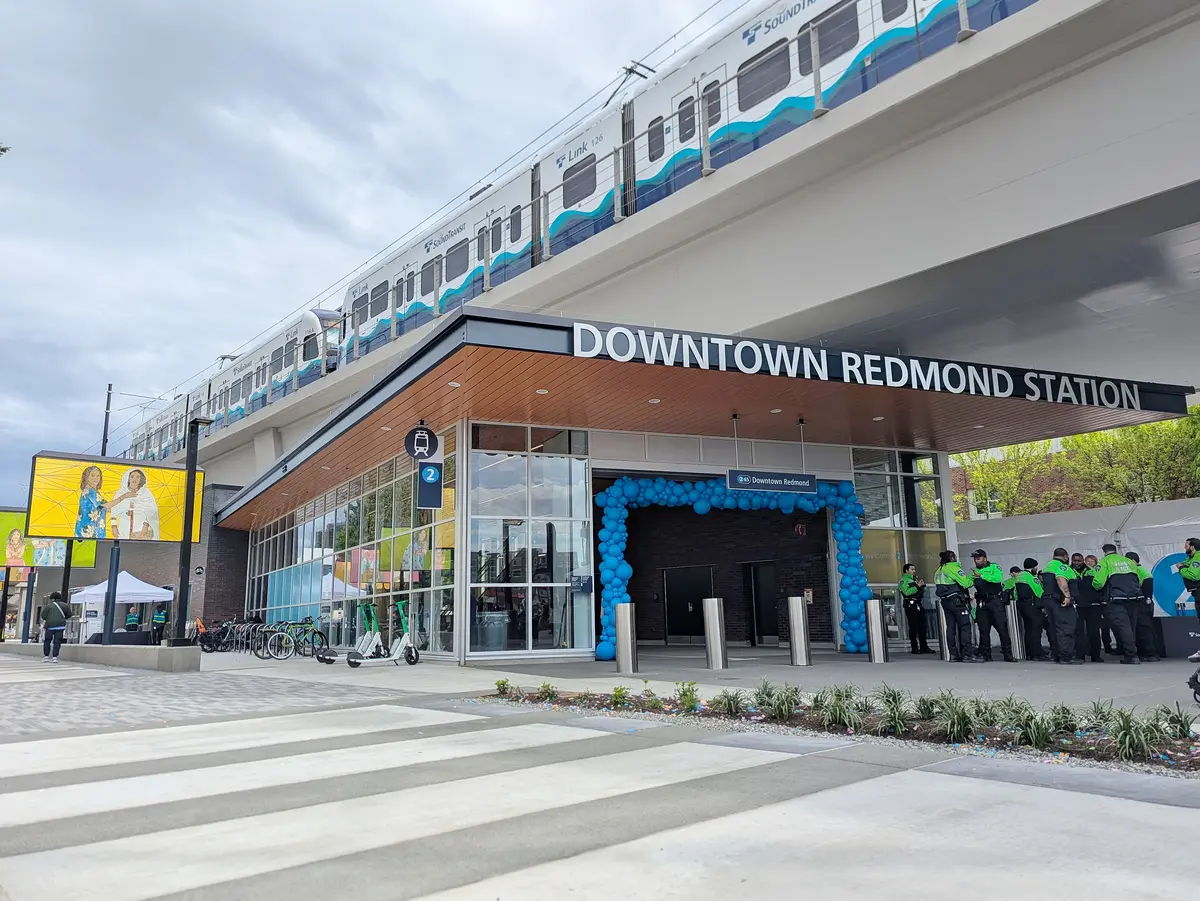

Redmond Car Insurance for Changing Commutes and Everyday Driving
Redmond car insurance should reflect how you actually use each household vehicle. If workdays alternate between home and an office, or a car is shared with a partner or teen, report the real drivers, mileage and garaging. This guide explains Washington coverage choices and how to prepare for a quote, a move or transportation during repairs.
WashingtonCarInsurance.com is operated by Drivers Insurance Agency, Inc. This Redmond, Washington guide covers personal auto liability, comprehensive and collision, PIP, UM/UIM, SR-22 filings and eligible non-owner situations. DOL-approved financial-responsibility alternatives and specific vehicle exceptions exist. A quote request starts a review; it does not bind coverage.
Get a Quick Quote for Redmond Car Insurance
Request a Redmond-focused car insurance quote online or by phone. A licensed insurance agent will review your situation, but submitting a quote request does not bind or guarantee coverage until an insurer confirms and issues a policy.
Request a Washington auto quote or call 844-348-1313.
Preparing a Redmond Car Insurance Comparison
Begin with the facts about your own vehicles and household, including any change in office days, transit use or regular parking. Ask which insurers and options are included in the comparison. No generic driver profile establishes the right coverage or lowest price for every Redmond household.
Practical Advantages for Redmond Households
-
Washington requirements: Review general liability requirements and written PIP and UM/UIM selections. These coverages have different purposes and are not all compulsory purchases for every driver.
-
Hybrid work and transit conversations: Quote discussions can factor in how many days you actually commute, whether you use King County Metro or Sound Transit on some days, and how often each household car is really driven. Annual mileage can affect insurance premiums, with lower mileage often qualifying for discounts.
-
Deductible choices: Compare comprehensive and collision deductibles separately with the quoted premium, any lender restriction and the money you could pay promptly after a covered loss.
-
Between-cars situations: If you’re currently without a vehicle but occasionally rent or borrow, you may qualify for non-owner insurance, subject to insurer eligibility rules.
-
Available insurers: Ask which companies and programs are included, what eligibility rules apply and whether the proposals use equivalent limits and deductibles. A comparison does not guarantee that every company has been searched.
How We Help You Match Coverage to Your Driving Pattern
Describe your actual routes, annual mileage and frequency of driving, including trips within Redmond or to Bellevue, Seattle and elsewhere. If the number of office days changes, tell the insurer what changed and ask whether the use classification or mileage estimate should be updated. No particular premium change is guaranteed.
Families sharing one or two vehicles get help from the team clarifying who should be listed and how to disclose regular use accurately. Detailed comparison of quotes is crucial, as rates for similar profiles can vary significantly between insurers. This tailoring is meant to avoid unpleasant surprises at claim time while still searching for affordable structures. For a deeper look at ways to save, see affordable coverage options.
Redmond Auto Insurance Requirements and Car Insurance Basics Under Washington Law
For applicable vehicles, Washington sets general liability minimums and recognizes approved alternatives and specific exceptions. Vehicles registered in another state follow that state’s insurance laws. See our minimum coverage guide and DOL’s mandatory-insurance guidance.
Washington Minimum Liability Limits: 25/50/10
For applicable vehicles, the general liability minimums are 25/50/10:
-
$25,000 bodily injury per person in any one accident
-
$50,000 bodily injury for two or more persons per accident
-
$10,000 property damage liability per accident
The first two limits address bodily injury or death, and the third addresses covered property damage for which an insured is legally responsible. Liability generally does not cover your own injuries or damage to your own car. Compare higher limits with the premium and potential costs above the limit, and review any additional loan or lease requirements.
State-Approved Alternatives and Vehicle Exceptions
DOL-approved alternatives include a qualifying liability bond or certificate of deposit of at least $60,000 and self-insurance for qualifying owners of 26 or more vehicles. Eligibility and documentation requirements apply; confirm approval before relying on an alternative.
DOL identifies specific vehicle exceptions in its mandatory-insurance guidance. Do not assume that a vehicle’s age, business use or location alone creates an exception. Check the applicable category and required proof for your situation.
Personal Injury Protection (PIP) in Washington
Applicable Washington auto policies must offer PIP. You may reject it in writing; otherwise, the insurer adds it and charges for it. PIP addresses specified expenses regardless of fault and serves a different purpose from liability.
PIP can help with specified medical, funeral, income-loss and loss-of-services expenses. The minimum medical benefit is $10,000 for covered expenses incurred within three years; other benefits have separate limits, waiting periods and conditions. Ask about available higher limits and how benefits coordinate with other coverage.
Review who is covered and which expenses qualify using OIC’s PIP guide. PIP does not automatically fill every health-plan gap or guarantee immediate payment. Our Washington coverage guide explains additional selections.
Uninsured/Underinsured Motorist (UM/UIM) Coverage
Under Washington’s UM/UIM statute, bodily-injury limits generally match liability unless reduced or rejected in writing as permitted. Property-damage coverage is separate. Review written selections, limits and exclusions rather than treating every UM/UIM benefit as one mandatory purchase.
UM/UIM may help with covered losses involving an uninsured, underinsured or qualifying unidentified driver. Hit-and-run and phantom-vehicle claims have specific reporting and evidence conditions. Payment depends on policy terms and the facts, not simply on being involved in a crash.
Redmond Traffic Planning and Changing Commutes
Use current official traffic information to plan trips, then review insurance based on the actual drivers and vehicle use. Road-management activity does not by itself establish a particular premium or coverage change.
Local Roads, Traffic Operations, and Exposure
The City of Redmond’s traffic-safety page links to its traffic map and explains how the Traffic Management Center monitors conditions and uses electronic message signs. Check current information before travel rather than relying on a fixed closure or camera count in an insurance guide.
Questions to review when your routine changes include:
-
How many days each week does each regular driver use the vehicle?
-
What are the actual distance, purpose and frequency of the trips?
-
Where is the car normally kept, and has that arrangement changed?
Compare liability, physical-damage protection and deductibles with potential losses and the household budget. This guide does not assume Redmond has a particular claim rate, traffic-related surcharge or average premium.
Changing Work Schedules and Hybrid Commuting
If your schedule shifts between remote work and office days, estimate actual annual mileage and describe the use of each car. Ask the insurer whether its classification needs updating. A different schedule does not guarantee that the price changes.
Ask about any available low-mileage or usage-based program, including eligibility, data collected and whether pricing can increase as well as decrease. There is no universal 7,500-mile cutoff or guaranteed telematics discount. Review our affordable coverage guide.
Transit, Biking, and Occasional Driving
A car that sits parked while its owner takes transit still raises questions about theft, vandalism, weather damage and a strike by another vehicle. These causes can involve different coverage. Driving less does not automatically remove liability, lender or SR-22 requirements.
Before reducing protection on a low-use car, confirm legal, lender and any DOL filing obligations. Comprehensive alone is not liability insurance. Arrange the required coverage before driving again and see our claims and deductibles guide for budgeting questions.
Key Coverage Choices for Redmond Drivers
Beyond legal minimums, drivers make decisions about several optional or adjustable coverages. Here’s what each one does and when it tends to matter in Redmond.
Liability Limits: Minimum vs. Higher Protection
A serious loss can exceed minimum liability limits. For a hypothetical covered property-damage loss of $30,000, a $10,000 limit leaves $20,000 above the limit. Compare higher limits with the actual quoted premium rather than an unsupported city or statewide average.
Think about your assets, income, and future earnings when choosing liability limits – not just what is legally required. Rates for car insurance vary depending on factors like age, driving record, and chosen coverage tier. Visit Washington minimum coverage for a deeper comparison between state minimums and higher limits.
Comprehensive and Collision: What “Full Coverage” Really Means
“Full coverage” is an informal phrase, not a legal term. The real pieces are liability, collision coverage, and comprehensive plus chosen deductibles.
-
Collision coverage pays for vehicle damage in accidents – repairs or replacement of your car after a covered crash with another vehicle or object, minus your deductible.
-
Comprehensive coverage protects against theft and vandalism, as well as fire, some weather damage, falling objects, and hitting certain animals, depending on policy terms.
Consider separate examples of a parking-garage collision, theft, a falling branch and a breakdown. Different protections and exclusions may apply. A lender or lessor may require comprehensive and collision by contract; see our buying and financing guide.
Deductibles and Repair Decisions
A deductible is the amount you pay out of pocket on covered comprehensive or collision claims before the insurer contributes. The trade-off: higher deductibles can reduce premiums but increase what you owe in a claim, and vice versa.
In a hypothetical covered loss to which it applies, a $1,000 deductible retains $500 more than a $500 deductible. Ask for the actual premium difference and check lender restrictions. Compare that tradeoff with your available savings and transportation needs; see our claims and repair guide.
Rental Car and Loss of Use Coverage
Rental reimbursement (or transportation expense) coverage helps pay for a rental car or other transportation while your insured vehicle is in the shop after a covered claim, subject to daily and total limits; this can matter in Redmond if you use your car for commuting, family errands, or occasional business tasks, depending on policy terms. This can be important in Redmond if you rely on your vehicle for commuting to Bellevue, Kirkland, or Seattle when public transit is not convenient.
Review which expenses qualify, the daily and total limits and what happens when the benefit ends. A rental benefit does not guarantee an immediately available car or pay indefinitely. Plan essential trips and check any borrowed or rented vehicle’s insurance separately.
Coverage for Shared Household Vehicles
Insurers care about all regular drivers in a Redmond household, including spouses, partners, roommates, and licensed teens who often use the vehicles. Common situations include:
-
A partner working remotely who only drives weekends
-
A roommate who occasionally borrows the household car
-
A grandparent visiting and driving for several weeks
There’s a meaningful difference between an “occasional” borrower and someone who should be rated as a regular driver, and correct disclosure matters for claims. If a regular driver is omitted and later involved in an accident, coverage could be denied. Talk through your actual driver list with an agent, and see teen driver guide for families with new drivers.
Special Situations: SR-22, Non-Owner Policies, and Moving to Redmond
Some insurance needs fall outside the typical policy setup. This section covers license suspension issues, drivers without a personal car, and recent relocation to Redmond or Washington state.
SR-22 Car Insurance Help in Redmond
An SR-22 is a form an insurer files with Washington DOL to show you carry the required financial responsibility. It is commonly required after DUI, driving without insurance, or certain serious traffic violations. An SR-22 itself does not authorize you to drive – the DOL decides when and under what conditions you may reinstate your license.
SR-22 filing is generally required for three years from eligibility to reinstate, subject to individual DOL requirements. A lapse can lead to further suspension; ask DOL how it affects your case rather than assuming an automatic restart. An eligible non-owner policy may support a filing when appropriate. See our SR-22 guide.
Non-Owner Car Insurance for Redmond Drivers Without a Vehicle
A non-owner policy generally provides liability coverage for people who do not own a car but occasionally drive vehicles they do not regularly have access to. Typical eligibility requires no personal vehicle titled to you, only occasional borrowing or renting, and no regular access to a household car. Actual eligibility depends on insurer rules.
Non-owner coverage generally does not pay for physical damage to the borrowed or rented vehicle. Check the owner’s or rental arrangement’s protection separately. Disclose employer-vehicle access, car-sharing and other specialized use instead of assuming those arrangements qualify. See our non-owner guide.
Moving to Redmond or Within Washington
When you move to Redmond from another Washington city – say from Bellevue or Kirkland – your garaging ZIP code and parking type may need updating with your insurer. Even a cross-town move can change how your current policy is rated.
For a move from another state, coordinate insurance, licensing, registration and any lender requirement. New Washington residents generally need a Washington driver license and vehicle registration within 30 days, with the license obtained first. These are not two successive 30-day periods. See DOL’s moving guidance and our moving guide.
Redmond Teens, New Drivers, and Family Policies
Many Redmond families have young drivers commuting to schools, clubs, and part-time jobs, and adding a teen changes both risk and coverage decisions.
Adding a Teen Driver in a Redmond Household
Tell the insurer when a teen obtains a permit or license and ask how they should be listed. Do not assume you can wait until the teen drives alone. Describe regular vehicle access and school or work trips accurately.
Compare liability limits, physical-damage protection and deductibles for the household’s actual needs. Ask about available good-student or driver-training discounts and required documentation. A course or safe record does not guarantee a particular rate; see our teen driver guide.
Shared Family Vehicles and School-Year vs. Summer Driving
Usage patterns change between the school year and summer – more local Redmond driving during the school year versus summer road trips around Washington. Keep all regular teen drivers properly listed on any family vehicle they use, especially shared compact cars and small SUVs. Notify your agent when a teen goes away to college with or without a car, as insurer treatment may differ and could affect premiums.
What to Expect When You Request a Redmond Car Insurance Quote
Here’s what happens after you reach out to WashingtonCarInsurance.com – straightforward and without pressure.
Step 1: Share Your Redmond Driving Details
Call 844-348-1313 or submit the online form at request a quote. Typical information requested includes:
-
Driver names, birthdays, and license status
-
Addresses where vehicles are garaged in Redmond
-
Vehicle identification numbers (VINs)
-
Estimated commute days and distances
-
Any lender or lease requirements
-
Driving history, including any violations or SR-22 needs
These questions help match coverage and check eligibility with Washington insurers – they’re not a pressure tactic.
Step 2: We Review Options With You
Review available personal auto options and ask which companies are included. Compare liability, PIP, UM/UIM, comprehensive and collision, deductibles and any rental benefits. Ask about discounts for which you actually qualify. If another policy is required, confirm availability and compare the combined cost and terms; no fixed percentage saving is promised.
Step 3: Choose, Bind (With Insurer Approval), and Adjust Over Time
Once you select an option, the agent submits it to the insurer. Coverage is not in force until the insurer issues the policy or confirms a binder. You’ll receive policy documents outlining coverage, exclusions, and any SR-22 filings if applicable.
Review the policy after a move, vehicle purchase or change in household drivers or work schedule. Confirm the effective date of any change and coordinate lender or SR-22 documentation when applicable. A quote or application alone does not update existing coverage.
Areas We Serve Around Redmond
WashingtonCarInsurance.com serves drivers across Redmond and nearby Washington communities, not just one ZIP code.
Redmond Neighborhoods and Nearby Cities
-
Downtown Redmond and Redmond Town Center area
-
Overlake / Microsoft campus area
-
Education Hill
-
Grass Lawn
-
Willows / Rose Hill
-
Southeast Redmond and areas near Marymoor Park
For nearby Eastside guides, see Bellevue car insurance and Kirkland car insurance, or browse the Washington city directory. Provide the actual garaging address even if your mailing label or usual destination is a different city.
Compare Redmond Car Insurance Coverage With Your Current Policy
Use the declarations page to list liability limits, PIP and UM/UIM choices, comprehensive and collision deductibles, and rental reimbursement. Correct outdated vehicle, driver, garaging and mileage information before requesting equivalent proposals. Include all regular household access, not only the person who usually drives to work.
Ask which insurance companies are included in the comparison and record the full policy-term premium, payment fees and discount conditions. A quick quote can change when information is verified. Compare coverage and exclusions along with price before deciding whether a replacement policy fits.
If a return to the office changes your routine, estimate actual trips instead of assuming a fixed annual mileage reduction or increase. Explain delivery, rideshare and other work activity separately from commuting. A personal auto policy may restrict some activities or require different coverage.
Review Discounts and a Backup Plan for a Shared Redmond Car
Ask about available multi-car, good-student, driver-training, payment or vehicle-safety discounts and the evidence needed to qualify. A safe-driver discount is not the same as a promise that your overall renewal premium will fall. If a discount requires another policy, confirm availability and compare the combined coverage and cost.
Usage-based insurance can consider mileage, time of travel and driving behavior. Review the data it collects and whether pricing may rise as well as fall. The Washington OIC’s usage-based insurance guide explains questions to ask before enrollment.
List the essential trips that would need another arrangement if your household car were unavailable. Check rental reimbursement’s daily and total limits and the costs left after the benefit ends. Verify insurance for any borrowed or rented vehicle separately, and do not assume a route that works for one person’s commute serves every household trip.
Frequently Asked Questions About Redmond Car Insurance
These FAQs address common issues that often delay coverage decisions for Redmond drivers.
Do I need to change my car insurance if I start commuting to Bellevue or Seattle again?
Tell the insurer when mileage, commute frequency or actual vehicle use changes and ask whether the policy information needs updating. A new route does not by itself establish a different rate or coverage result. Explain work activities such as delivery separately from ordinary commuting.
How does working from home in Redmond affect my car insurance?
It may change mileage or use information that an insurer considers, but savings are not guaranteed. Give an accurate estimate and compare any available lower-mileage program with the current policy, including data collection, fees and coverage. A national or statewide average does not determine your price.
Is the Washington minimum 25/50/10 enough for driving in Redmond?
For applicable vehicles, 25/50/10 meets the general liability minimum but may leave substantial costs above the limits after a serious covered loss. Compare higher limits, optional protections, deductibles and any lender or DOL requirement. See our minimum coverage guide.
What happens if I’m in a crash with an uninsured driver in Redmond?
UM/UIM coverage can step in to cover your injuries – and possibly property damage – when the at-fault driver lacks enough insurance, depending on your policy terms. If you have rejected or reduced UM/UIM in writing, your protection in that accident will reflect those choices. Review your current policy or speak with an agent before an accident happens to understand your protections and whether you need to insure against other risks.
Do I need Washington car insurance if I just moved to Redmond from another state?
Coordinate insurance with your move, registration and any lender requirement. Notify the insurer about the actual garaging and use and confirm coverage for the transition before driving. New-resident licensing and registration tasks are separate from updating a policy; see our moving guide.
Can I get car insurance in Redmond if I don’t own a car yet?
Some drivers without vehicles may qualify for non-owner policies, especially if they occasionally rent or borrow cars without regular access to a household vehicle. Eligibility and coverage details depend on insurer rules, and these policies typically do not cover damage to the car you borrow – they provide liability protection only. Discuss your driving habits with an agent to see whether a non-owner policy could fit your insurance needs, and visit non-owner coverage to learn more.
Who has the cheapest car insurance in Redmond?
No insurer is cheapest for every driver and coverage choice. Compare current equivalent proposals using accurate household, vehicle and use information. Another driver’s bill or an advertised starting price does not establish your eligibility or rate.
Is it cheaper to buy directly or through an insurance agent?
Neither route is always less expensive. Compare the same limits, deductibles and benefits, including fees and discount conditions. Ask what service is available for applications, policy changes and claims questions as well as what the policy costs.
Is $200 per month a lot for Redmond auto insurance?
The amount alone is not enough to judge. It may reflect different cars, drivers, limits, deductibles or a different policy term. Compare the complete cost with equivalent proposals and ask what changed from your current policy.
What information should I tell an insurer about household vehicle sharing?
Explain ownership, regular drivers, access, normal garaging, mileage and actual use. Ask how a roommate, partner or student should be listed. Occasional permission and regular household access can be treated differently; withholding required facts can create coverage or pricing problems.
Get Started With Redmond Car Insurance Today
Whether you’re adjusting your commute, sharing vehicles across a busy household, or settling into Redmond for the first time, the right car insurance coverage can protect you from financial surprises after an accident. Request your quote today and expect a clear, no-pressure conversation about what makes sense for your situation.
Request a Washington auto quote or call 844-348-1313.
Quote requests provide information and options, but coverage is not bound until an insurer approves and issues a policy or binder.