On this page
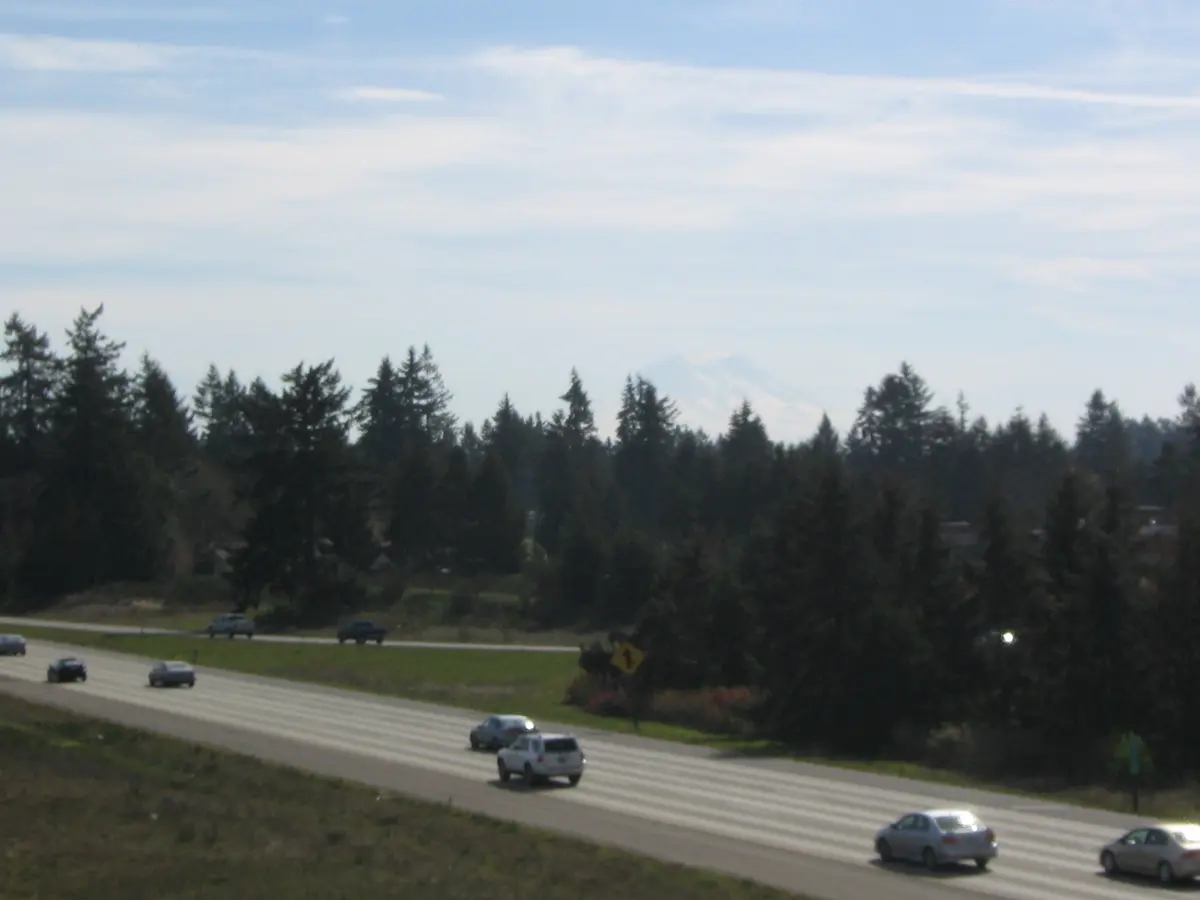

Lacey WA Car Insurance for Everyday I‑5 Commuters and Local Families
Lacey drivers comparing car insurance should start with their actual vehicles, regular drivers, mileage and overnight garaging. Washington’s general liability minimums are 25/50/10 for applicable vehicles, with approved alternatives and specific vehicle exceptions. WashingtonCarInsurance.com, operated by Drivers Insurance Agency, Inc., helps households review personal auto choices for commutes, shared cars and vehicle purchases.
If your household drives toward Tacoma, Olympia or other destinations, describe the actual trips and who has regular access to each car. A serious covered loss can exceed a minimum liability limit. Compare the protection and premium at different limits, plus coverage for injuries and damage to your own vehicle.
On this page you can learn about Washington’s minimum requirements, explore local coverage choices including liability, PIP, UM/UIM, and comprehensive and collision, and understand how to request a quote for vehicles garaged in Lacey. This guide covers multi-car households, household driver changes, SR‑22 filings, non-owner policies, and deductible planning for commuters.
Get a Lacey Car Insurance Quote
Request a quote online or call 844-348-1313 to discuss Lacey personal auto coverage.
Submitting a quote request does not bind coverage. Complete the insurer’s requirements and confirm acceptance and the exact effective date before relying on a policy. Eligibility, terms and price depend on insurer review.
Have the following information ready before you enter your details:
-
VINs for all vehicles in the household
-
Driver license numbers for every driver to be listed
-
Your garaging address in Lacey
-
Current coverage limits and expiration date of any existing policy
-
Lender or lease company contact details, if applicable
Both single-vehicle owners and multi-car households in Lacey can use the same process. Drivers in Lacey should compare quotes from multiple providers to find competitive rates, and your agent can help you understand what each option covers.
Why Lacey Drivers Use WashingtonCarInsurance.com
WashingtonCarInsurance.com provides personal auto assistance by phone and online. This guide connects Washington requirements with questions about Lacey household vehicles, driver changes and transportation after a covered loss. It does not establish a local walk-in office.
Washington requirements and official sources were reviewed in November 2026. Refer to the linked DOL, OIC and legislative guidance for current rules and individual case requirements.
Local, Washington-Focused Insurance Agent Guidance
The City of Lacey transportation page explains planning and operation of the road network, including roundabouts, signals, traffic calming and related facilities. Use current city notices for trip planning; a project listing is not evidence of a closure today or a particular insurance rate.
Site content explains how state-wide rules play out for Lacey situations: commuting patterns, school-zone traffic near local campuses, and regional weekend travel toward the coast or up to Tacoma and Seattle.
Support for Common Lacey Driving Situations
Many Lacey households run more than one vehicle with mixed commuting patterns – perhaps one driver works at a state agency in Olympia, another handles local errands, and a college-age driver uses a third car. The site provides guidance for each of these scenarios, plus dedicated resources for teen and young adult drivers and families moving into Washington or into Lacey from another state.
Clear, Non-Guarantee-Based Education
Compare limits, deductibles, SR-22 filing needs and any lender requirements using equivalent proposals. Actual premiums, eligibility and terms depend on insurer rules. See the minimum coverage guide, coverage and cost comparison guide, and buying and financing guide.
Washington Minimum Car Insurance Requirements for Lacey Drivers
Washington’s general liability requirements apply to covered vehicle categories throughout the state. Confirm which requirements and any individual exceptions apply to your situation before driving.
For applicable vehicles, Washington’s general minimum liability limits are 25/50/10:
-
$25,000 for bodily injury or death to one person per accident.
-
$50,000 for bodily injury or death to two or more people per accident.
-
$10,000 for property damage per accident.
Washington DOL lists qualifying bonds or certificates of deposit of at least $60,000 and self-insurance for qualifying owners of 26 or more vehicles as alternatives.
DOL lists specific vehicle exceptions. Vehicles registered in another state follow that state’s insurance laws. Do not assume a motorcycle is exempt from required insurance. Review the official requirements for your vehicle and circumstances.
DOL says driving without required insurance can result in a fine of $550 or more. Failure to present proof is distinct from having no coverage; follow the instructions on any citation. Minimum limits can also leave substantial costs above the policy limit after a serious covered loss.
Liability Coverage in Real Lacey Scenarios
If an insured causes a covered collision, bodily-injury liability may pay specified damages for which the insured is legally responsible, up to the limits and subject to terms. Costs above the limit may remain the insured’s responsibility.
A hypothetical covered property-damage loss of $30,000 leaves $20,000 above a $10,000 limit. Compare higher liability limits with the quoted premium and potential retained costs. No limit guarantees payment of every loss.
Ask for proposals at more than one liability limit. The additional premium depends on the insurer and application; do not assume it is a fixed or modest amount for every household.
Lacey Roads, I‑5 Commuting, and How They Affect Your Coverage Choices
Use your actual routes, annual mileage and vehicle access when comparing policies. Lacey’s transportation department provides road-network and project information for trip planning. A route or intersection design alone does not establish your premium or prove that one coverage choice is best.
These varying daily routes and mileage totals create different priorities for liability limits, deductible levels, and whether add-ons like rental reimbursement are worth the premium.
I‑5 and Regional Commuters
Estimate actual annual driving after a change in commute, shift or work location. Include errands, school and weekend travel. Explain delivery, rideshare or other business activity separately from commuting because a personal policy may restrict some uses. UM/UIM may address specified covered losses involving an uninsured or underinsured motorist, subject to its limits and conditions.
Planning for rental reimbursement can be especially important for commuters who cannot easily work from home or shift to transit while their vehicle is in the shop.
Local Arterials, Roundabouts, and School Traffic
Local errands, school trips and regional travel all belong in a mileage estimate. Review who regularly uses each vehicle, including partners, roommates and students. Keep the actual garaging and use accurate when circumstances change.
For a vehicle with cameras or other safety equipment, ask how repair procedures and calibration will be evaluated after a covered loss. Do not assume a particular repair price or time from the vehicle’s equipment alone.
Key Coverages for Lacey Car Insurance
Beyond the legal minimum, Lacey drivers can choose from several coverages to build high quality coverage that matches how they use their vehicles. Keep in mind that “full coverage” is a casual label, not an official policy name. It typically refers to liability plus comprehensive and collision on a given vehicle, often with PIP and UM/UIM, but it does not mean everything is covered – exclusions and policy terms still apply. Comprehensive and collision coverage options are available and can be tailored to each vehicle’s age, value, and use.
Personal Injury Protection (PIP) in Washington
Applicable Washington auto policies must offer PIP. It is added and charged unless rejected in writing. PIP can help with specified medical, funeral, income-loss and loss-of-services expenses regardless of fault. Review the actual written selection and premium.
The minimum PIP medical benefit is $10,000 for covered expenses incurred within three years. Other benefits have separate limits, waiting periods and conditions; the medical time period does not apply to all benefits. Compare PIP with other protection using the OIC PIP guide.
Uninsured and Underinsured Motorist (UM/UIM) Coverage
Under Washington’s UM/UIM statute, bodily-injury limits generally match liability unless reduced or rejected in writing as permitted. Specific reporting and evidence requirements apply to some claims. A phantom-vehicle claim, for example, requires reporting to law enforcement within 72 hours and corroborating evidence; do not apply that statement indiscriminately to every claim.
UM/UIM property damage is a separate coverage that may help repair or replace your vehicle when an uninsured or underinsured driver causes the damage, subject to specific policy terms.
Compare UM/UIM limits and written selections with the costs you would retain after an applicable loss. Reducing or rejecting coverage can leave less protection, but no coverage guarantees payment of every medical or property-damage expense.
Comprehensive and Collision (“Full Coverage” Pieces)
Collision may address a covered crash or upset. Comprehensive may address specified theft, vandalism, fire, falling objects, glass damage or animal strikes. Review actual terms, exclusions and deductibles, including how the cause of a weather-related loss is evaluated.
Lenders and leasing companies typically require both comprehensive and collision when a vehicle is financed. Refer to buying and financing guide for detailed guidance on coordinating insurance with a loan or lease.
Ask for actual premiums at different deductible choices. A lower deductible reduces the amount retained on an applicable covered claim, but the quoted premium difference varies. Consider vehicle value, savings and lender restrictions for each household vehicle.
Rental Reimbursement and Towing
Rental reimbursement coverage can help pay for a rental car or alternative transportation when a covered claim puts your insured vehicle in the shop. For Lacey I‑5 commuters and parents who rely on a vehicle for work and school runs, being without a car for days or weeks is more than inconvenient – it can affect income and daily life.
Roadside or towing benefits have service, distance and eligibility limits. Compare the premium and terms with any assistance you already have. No benefit guarantees immediate service or that every roadside expense will be paid.
Multi-Car Households in Lacey: Structuring Your Policy
For a multi-car household, ask which limits and selections must be consistent across the policy and where separate comprehensive or collision deductibles are available. Describe each vehicle’s actual use and regular drivers before deciding how to structure coverage.
Accurately disclosing every driver who has regular access to vehicles in the household is essential. If a claim arises and the insurer discovers an unlisted regular driver, the claim could be denied or coverage could be affected.
Different Uses, Different Coverage Choices
Compare a financed commuter vehicle and a paid-off errand car individually. Review the lender contract, vehicle value, premium, deductible and ability to repair or replace each car. Do not assume a commuter automatically needs a lower deductible or that an older vehicle should always carry liability only.
Before removing comprehensive or collision, compare the premium with the potential covered payout after the deductible and any costs you could absorb. Check lender requirements and the vehicle’s role in essential household trips.
Coordinating Drivers and Household Changes
Update your policy whenever a household change occurs: a teen getting a license, a roommate moving in with a car, a new spouse or partner bringing their own vehicle, or a child leaving for college. Insurers generally treat regular household drivers differently from occasional visitors, and clear driver listings matter if there is a claim.
Review listed drivers and vehicles at renewal and after household changes. Ask the insurer what must be reported promptly; inaccurate required information can affect eligibility, pricing or claim handling.
Household Driver Changes: Teens, College Drivers, and New Residents
Lacey households regularly experience new teen drivers, returning adult children, or new roommates – each of which can affect coverage. These changes should be communicated to your insurer or insurance agent as they happen, not held until renewal.
Adding a Teen Driver in Lacey
Insurers generally want to know when a teen gets a learner’s permit and again when they receive a full license, though exact notification rules vary by insurer. Adding a young driver typically changes premiums because insurers factor in the higher statistical risk of inexperienced drivers.
Families can manage that risk by considering higher liability limits, keeping PIP and UM/UIM in place, and making a careful choice about which vehicle the teen most often drives – often an older vehicle with strong safety ratings and lower value. Visit teen-driver guidance for Washington-specific details on managing coverage for young drivers.
Drivers Moving In or Out of Your Home
When a partner, roommate, or relative with a car moves into your Lacey household, the insurer needs to know. The new resident may need to be listed as a driver on your policy, added to their own policy at your address, or both.
If a child goes to college and leaves the car at home versus taking it to another city or state, the coverage implications differ. Contact an agent before making assumptions about whether a driver can be excluded or must be listed – eligibility rules vary by insurer, and getting it wrong can leave someone uninsured or trigger a coverage gap.
Financing a Vehicle in Lacey and Planning Deductibles
Buying or financing a car at a Lacey or Olympia-area dealership often triggers lender insurance requirements that go well beyond Washington’s legal minimum. Understanding the difference between what the state requires (25/50/10 liability) and what your lender’s contract requires (typically comprehensive and collision with specified maximum deductibles) prevents surprises at the dealership and afterward.
For step-by-step help when financing a car, visit buying and financing guide.
Coordinating with Your Lender or Lease
Check the loan or lease contract for required coverage, deductibles and how the lender or lessor should be listed. Provide accurate contact details and confirm that any required evidence was received.
If your coverage lapses – even briefly – the lender may place its own forced coverage on the vehicle, usually at substantially higher cost and with more limited protection for you.
Choosing Deductibles and Rental Coverage for Commuters
Request quotes at two or more deductible levels. A hypothetical change from a $500 to a $1,000 deductible means retaining $500 more on an applicable covered claim. Compare that amount with the actual premium difference and available savings.
List essential work, school and caregiving trips that would need another arrangement while a vehicle is repaired. Rental reimbursement depends on a qualifying loss and daily or total limits. Compare those terms and the premium; coverage may end before every repair expense or transportation need is resolved.
SR‑22 Car Insurance Help for Lacey Drivers
An SR‑22 is a certificate of financial responsibility filed by an insurer with the Washington DOL – it is not a special kind of policy by itself. Some Lacey drivers may need an SR‑22 to regain or keep driving privileges after certain suspensions or violations, as directed by DOL. An SR-22 is proof of financial responsibility, and the filing confirms to the state that you carry at least the required coverage. Visit SR-22 guide for the dedicated guide.
How Long SR‑22 Requirements Usually Last
SR-22 proof is typically required for three years in Washington, measured from the point the driver becomes eligible to reinstate their license. However, specific timeframes are set by DOL on a case-by-case basis.
A lapse can cause further suspension. Ask DOL how it affects your individual case rather than assuming an automatic restart or extension. Keep required coverage active and follow the official reinstatement instructions.
Having an SR‑22 on file does not itself give permission to drive. Drivers must still complete all reinstatement steps and obey any restrictions imposed by DOL.
Owner vs. Non-Owner SR‑22 Options
An SR‑22 can be attached to a regular owner policy if you have a vehicle, or to a non-owner policy if you do not own one. Many non-owner policies do not cover damage to borrowed vehicles themselves, focusing mainly on liability coverage, subject to policy terms.
If you need to maintain an SR‑22 without owning a car, review non-owner coverage for guidance on how non-owner policies work in Washington.
Non-Owner Car Insurance in Lacey
Non-owner car insurance is designed for Lacey residents who do not own a vehicle and do not have one regularly available in their household. Eligibility rules vary by insurer, and this type of policy is generally intended for occasional borrowing or renting – not for someone who keeps a car at home.
Who Non-Owner Coverage May Fit
Examples include Lacey residents who rent cars a few times a month, or occasionally borrow a friend’s vehicle for errands, but do not own or regularly keep a car at their residence. Non-owner policies typically cover liability when driving someone else’s vehicle with permission.
Non-owner policies typically do not provide comprehensive or collision coverage for borrowed vehicles and may not satisfy lender requirements if you later purchase a car. Coverage always follows the terms of the specific policy – contact an agent to check your individual eligibility before assuming a non-owner policy meets your needs.
Managing Claims, Repairs, and Deductibles in Lacey
After a covered loss, a Lacey driver typically moves through a predictable sequence: reporting the claim, getting an estimate, arranging repairs, and paying the applicable deductible. Visit claims and deductibles for an extended step-by-step guide.
What to Do After a Crash in Lacey
General steps after a collision:
-
Ensure safety and move out of traffic if possible
-
Call emergency services if anyone is injured
-
Exchange information with other parties involved
-
Document the scene – take digital photos of vehicle damage, Lacey street signs, intersection layout, and road conditions
-
Promptly contact your insurer’s claims department
Do not assume fault or promise payments at the scene. Claims adjusters and, in many cases, law enforcement reports will help determine liability. Washington is an at-fault state for auto insurance liability, so how fault is assigned directly affects which policy pays.
Repairs, Rental Cars, and Deductibles
Discuss inspection and estimates with the adjuster. You typically may choose your repair shop; ask about parts, repair procedures and costs you would retain. Rental reimbursement depends on a qualifying covered loss and applicable limits. See the OIC claims guide.
Repair time depends on the damage, available parts, shop capacity and other case-specific factors. Ask for status updates and check when any rental benefit ends. Do not assume a fixed repair schedule or unlimited substitute transportation.
Costs and Affordability for Lacey Car Insurance
This section explains what can influence premiums for Lacey drivers. No sample rates or savings guarantees are provided – rates for auto insurance in Lacey can vary significantly based on multiple factors. For broader strategies on managing costs, visit compare coverage and costs.
Factors That Typically Affect Your Premium
Common rating factors allowed in Washington include:
-
Driving record – at-fault accidents, moving violations, and how recently they occurred
-
Type of vehicle – make, model, year, repair cost, and safety features
-
Annual mileage and regular usage pattern (commuter vs. local)
-
Garaging ZIP code in Lacey
-
Selected coverage types, limits, and deductibles
-
Prior insurance history, including any coverage lapses
Washington permits insurers to use credit history subject to restrictions; the temporary credit-scoring ban was repealed in 2023. See the OIC credit and insurance guide. A particular credit history or clean driving record does not guarantee the lowest price.
Multi-car households may see different premiums for each vehicle based on use, driver assignment, and value. State rules and insurer filings control which rating variables apply – ask specific questions when getting a quote.
Ways to Plan Affordable Coverage Without Cutting Critical Protection
Strategies that may help manage costs without sacrificing essential protection:
-
Adjust comprehensive and collision deductibles upward if your emergency fund can absorb a larger out-of-pocket payment
-
Review add-ons like towing or rental reimbursement to confirm they match your actual usage
-
Evaluate whether older, low-value vehicles are candidates for liability-only coverage
-
Ask about any available discount when you contact your agent – multi-vehicle or driver-training discounts may apply depending on the insurer
Do not sacrifice adequate liability and UM/UIM limits just to lower premiums. A lawsuit or serious medical claim can cost far more than the premium you save. Encourage periodic coverage reviews, especially after paying off a car loan or after major life changes in Lacey.
Areas Around Lacey We Serve
WashingtonCarInsurance.com supports personal-auto quote requests and educational resources throughout Washington, with this page focused on Lacey and the surrounding communities:
-
Lacey household trips, including the Hawks Prairie and Long Lake areas.
-
Travel toward Olympia, Tumwater, DuPont, Yelm and other destinations; these communities are not all in the same county.
-
Regional commuters – drivers traveling between Lacey and Joint Base Lewis-McChord, Tacoma, or Seattle via I‑5
For other Washington locations, visit the city index at /cities/.
Compare a Lacey Insurance Agent and Insurance Company
Use the same household drivers, vehicles, annual mileage and overnight garaging for each proposal. Match liability limits, PIP and UM/UIM selections, comprehensive and collision deductibles, and rental benefits. Record the whole policy-term cost, installment fees and discount conditions.
Ask an agent which insurers are included in the comparison and what support is available for policy changes and claims questions. Verify the agent and actual underwriting company with the OIC lookup tool. A familiar brand name may cover more than one underwriting company.
Use the OIC complaint comparison tool to review complaint information in context. Distinguish submitted from confirmed complaints and consider market share and trends by year. A raw count alone is not a reliable best-or-worst ranking for your household.
Plan Discounts and Policy Changes for a Lacey Multi-Car Household
Ask about available multi-car, driver-training, good-student, vehicle-safety and payment discounts, along with the proof required to qualify. Compare the final price after discounts. If a proposal depends on another policy, confirm availability and compare combined coverage and cost before assuming savings.
For a household considering usage-based insurance, review what data is collected, which drivers must participate and whether prices may increase as well as decrease. Mileage, time of travel and driving behavior can matter. See the OIC usage-based guide.
When buying another car, contact the insurer with its exact details before taking delivery. Confirm any automatic newly acquired vehicle provision rather than assuming a universal grace period. Obtain acceptance and the effective date before ending required existing coverage, and coordinate any SR-22 filing separately.
Frequently Asked Questions About Lacey Car Insurance
These FAQs address common questions that delay Lacey drivers from requesting a quote or adjusting coverage. Answers apply broadly across Washington but highlight Lacey-specific context where useful.
How much car insurance do I legally need to drive in Lacey?
For applicable vehicles, Washington’s general liability minimums are 25/50/10, with approved financial-responsibility alternatives and specific vehicle exceptions. Carry required proof and confirm the rules for your individual situation. Compare higher limits with their premium and potential costs above the limit.
Do I need “full coverage” on my financed car in Lacey?
Washington law does not require comprehensive and collision coverage, but most lenders and leasing companies do while the loan or lease is active. “Full coverage” informally refers to liability plus comprehensive and collision and does not mean everything is covered – exclusions and policy terms still apply. Review your finance or lease agreement and talk with an agent before adjusting coverage.
How does adding a teen driver in Lacey affect my policy?
Before a teen begins driving, ask when and how to disclose permit and licensed-driver stages. Review vehicle access, driver assignment and coverage choices. Pricing depends on insurer rules and the application. See the teen-driver guide.
Can I get car insurance in Lacey if I need an SR‑22?
Some insurers support SR-22 filings on eligible policies. DOL generally requires proof for three years from eligibility to reinstate, with individual case requirements controlling. The filing alone does not authorize driving. Call 844-348-1313 or review the SR-22 guide.
What if I don’t own a car but sometimes drive in Lacey?
Non-owner car insurance may be an option if you do not own a vehicle and do not have one regularly available in your household, but you occasionally rent or borrow cars. Non-owner policies usually focus on liability and typically do not cover damage to the borrowed vehicle itself. Review non-owner coverage and contact an agent to check personal eligibility.
Who has the cheapest car insurance in Lacey?
No insurer is cheapest for every driver and coverage choice. Compare current equivalent proposals using accurate household information. Advertised starting prices and another driver’s payment do not establish your rate.
Is $200 a month a lot for Lacey car insurance?
The payment alone is not enough to judge. Compare the full term premium, fees, vehicles, drivers, limits and deductibles with equivalent proposals. Ask what changed from the prior policy before deciding whether a different option offers better value.
What should I tell the insurer when our household changes?
Provide accurate required information about drivers, vehicle access, garaging, mileage and use. Report a teen, partner or roommate’s access as the insurer requires and correct errors promptly. Do not omit a required driver to obtain a lower quote.
Can one policy cover different deductibles on our cars?
It may, depending on the insurer and coverage. Ask which selections must match across the policy and where vehicle-specific choices are permitted. Compare each vehicle’s value, lender restrictions, premium and deductible before applying.
Get Started with Lacey Car Insurance
WashingtonCarInsurance.com helps Lacey drivers prepare a personal auto comparison. A request does not bind coverage; complete the insurer’s requirements and confirm acceptance and the exact effective date before relying on protection.
-
Call 844-348-1313 to discuss household drivers, vehicles, mileage and coverage questions.
As Lacey roads change, household drivers come and go, and vehicles age or get replaced, make it a habit to review your policy regularly. The right coverage today may need adjusting tomorrow – and a quick conversation with an agent is the easiest way to keep your protection current.