On this page
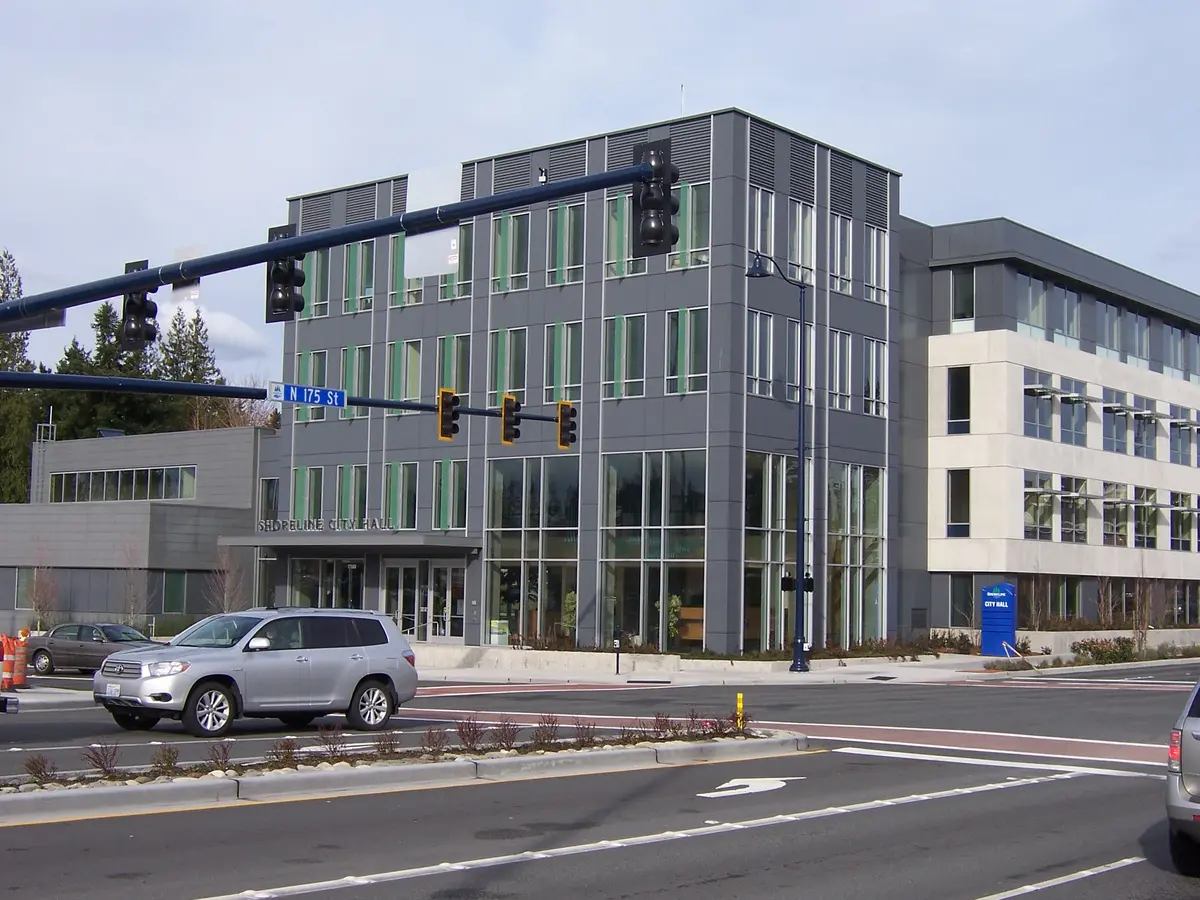

Shoreline Auto Insurance Overview
Shoreline drivers comparing car insurance should describe their actual vehicles, regular drivers, annual mileage and overnight garaging. Washington’s general liability minimums are 25/50/10 for applicable vehicles, with approved alternatives and specific vehicle exceptions. This guide explains state requirements, parked-car protection, car-and-transit routines and shared-household coverage choices.
WashingtonCarInsurance.com, operated by Drivers Insurance Agency, Inc., provides personal auto assistance for Washington drivers by phone and online. This Shoreline guide is an independent insurance resource and does not establish a government affiliation or local walk-in office.
A minimum liability policy can leave substantial expenses above its limits after a serious covered loss. Compare the premium and protection at different limits, and check what each policy covers for your own injuries and vehicle damage.
Request a car insurance quote or call 844-348-1313. Submitting a request does not bind coverage; confirm acceptance and the exact effective date before relying on a policy.
Why Shoreline Drivers Work With WashingtonCarInsurance.com
WashingtonCarInsurance.com helps Shoreline households review personal auto coverage choices. Explain your actual driving and vehicle access so an insurer can assess eligibility and terms.
Here’s why Shoreline drivers find this service a practical fit:
-
Local driving realities understood. Whether you’re a daily I-5 commuter, a weekend-only driver who parks near a transit hub, or a family sharing one vehicle among multiple licensed drivers, the team focuses on matching coverage to how Shoreline households actually use their cars.
-
SR-22 filings when required. If Washington DOL requires an SR-22 for license reinstatement, WashingtonCarInsurance.com can help request policies that include the filing, subject to insurer eligibility rules.
-
Non-owner policies for eligible drivers. Shoreline residents who don’t own a car but occasionally borrow or rent can ask about non-owner car insurance – availability depends on individual circumstances.
-
Coverage education, not pressure. Comparing quotes from multiple insurance companies can yield better rates, and the agency helps you understand what each coverage does before you commit.
Washington rules and official sources were reviewed in November 2026. Use the linked DOL, OIC and legislative sources for current requirements and individual case questions.
Shoreline Car Insurance Requirements in Washington State
Washington’s general liability requirements apply to covered vehicle categories throughout the state. An insurer also reviews the actual vehicle, drivers, garaging and use when determining eligibility and price.
Minimum Liability Limits for Shoreline, WA
Washington requires minimum liability coverage of 25/50/10. In plain terms:
-
$25,000 bodily injury per person – the most your liability policy will pay toward one person’s injuries per accident.
-
$50,000 bodily injury per accident – the total for all injured people in one accident.
-
$10,000 property damage per accident – covers damage you cause to another person’s car, fence, mailbox, or other property.
A hypothetical covered property-damage loss of $30,000 leaves $20,000 above a $10,000 liability limit. Medical expenses may also exceed bodily-injury limits. Compare equivalent proposals at higher limits instead of treating an advertised average or someone else’s payment as your quote.
DOL’s mandatory insurance page lists qualifying bonds or certificates of deposit of at least $60,000, self-insurance for qualifying owners of 26 or more vehicles, and specific vehicle exceptions. Vehicles registered in another state follow that state’s insurance laws.
Personal Injury Protection (PIP) for Shoreline Drivers
Washington is not a no-fault state, but Personal Injury Protection must be offered by every auto insurer. If the named insured does not reject PIP in writing, it is automatically included and a premium is charged.
PIP can help with specified medical, funeral, income-loss and loss-of-services expenses regardless of fault. The minimum medical benefit is $10,000 for covered expenses incurred within three years. Other benefits have separate limits, waiting periods and conditions; the medical time period does not apply to every benefit.
Compare the actual PIP benefits, covered people and premium with your other protection. Do not assume every transit-related injury is covered by a personal auto policy. Review the written selection and OIC’s PIP guidance before rejecting coverage.
Uninsured/Underinsured Motorist (UM/UIM) in Shoreline
Under Washington’s UM/UIM statute, bodily-injury limits generally match liability unless reduced or rejected in writing as permitted. Property-damage coverage is separate. Check the actual limits, deductibles, exclusions and written selections.
UM/UIM may address covered losses involving an uninsured or underinsured motorist, but it does not guarantee payment for every hit-and-run. Specific reporting and evidence requirements can apply. Separately, Washington’s comparative-fault law proportionately reduces compensatory damages attributable to a claimant’s fault without automatically barring recovery.
Any reduction or rejection of UM/UIM typically requires signed documents. Understand what you’re giving up before choosing lower protection, and discuss it with an agent who can explain the trade-offs for your specific situation.
Official Resources Shoreline Drivers Should Know
For the most current legal wording and any updates that may affect Shoreline or state-wide requirements, check these official pages:
These agencies provide authoritative guidance that supersedes anything published on a third-party site.
How Shoreline’s Roads, Transit, and Projects Affect Your Car Insurance Needs
A household may combine driving, walking and transit during the week. Use the resulting mileage and vehicle access when comparing insurance, and plan how essential trips would be handled if the car needed repairs. A city project alone does not establish a premium or coverage change.
Driving Patterns: Commuters, Local Errands, and Parked Vehicles
Shoreline driving patterns vary widely across households:
-
Daily commuters should estimate actual annual trips, including school, errands and weekend travel. Explain business activity separately from commuting because personal policies can restrict delivery, rideshare or other work uses.
-
Occasional drivers who rely on transit most days may only use their car on weekends for errands or recreation. Lower mileage may influence how a policy is structured, though only insurers determine rating factors.
-
Mostly-parked vehicles sit in driveways, shared parking areas, or on neighborhood streets for extended periods. Even when a car isn’t being driven, it’s still exposed to theft, vandalism, weather damage, or being hit by a passing vehicle.
How you describe your annual mileage and parking location when requesting a quote matters. Honest, accurate reporting helps avoid coverage problems later and ensures your policy reflects your actual experience behind the wheel.
Shoreline Transportation Projects and Trip Planning
Shoreline’s Projects & Initiatives page links infrastructure plans and updates. Check current notices before changing a route. Useful questions include:
-
Does the latest notice identify an active closure or a future project?
-
Will the change affect your regular route, parking location or annual mileage?
-
Will a household member need regular access to a different car?
-
What transportation would you use if your usual vehicle were unavailable?
-
For example, the city’s September 2026 update for the 148th Street pedestrian and bicycle bridge described construction and anticipated a spring 2027 opening. That forecast is not evidence that the bridge is open; consult current project notices.
Use official project information for travel planning. Do not assume that construction creates a particular insurance requirement or that a policy covers every incident involving equipment, debris or a parked car.
This article does not provide closure schedules or travel-time statistics – only context for thinking about your coverage needs.
Cars, Transit, and Park-and-Ride Use
A car parked while you use transit can still suffer damage. Comprehensive may address specified theft, vandalism, fire, glass or falling-object losses. Damage from another vehicle is generally considered under applicable collision, liability or UM/UIM provisions, depending on the circumstances and terms.
Review collision and any UM/UIM property-damage coverage for a parked-car impact, including deductibles and hit-and-run conditions. Disclose regular household drivers and use accurately. No coverage automatically pays every parked-car loss.
Key Coverages for Shoreline Car Insurance Policies
Every auto insurance policy is different, and coverages depend on insurer rules and underwriting. This section explains common options relevant to Shoreline households so you can have a more informed conversation when requesting a quote.
Liability Coverage for Shoreline Accidents
Liability may pay covered damages for which an insured is legally responsible, up to the limit and subject to policy terms. The general 25/50/10 minimums apply to covered vehicle categories. Compare higher limits with the quoted premium and the amount you could retain above them.
Collisions near Shoreline schools, along neighborhood streets, or on I-5 can generate high medical and property bills. A multi-car accident at a busy intersection could exceed minimum limits before factoring in ambulance rides, emergency surgery, or damage to newer vehicles.
Comprehensive Coverage for Parked and Stored Vehicles
Comprehensive coverage typically addresses non-collision losses: theft, vandalism, fire, certain weather events, and animal impacts, subject to policy terms and a chosen deductible.
Check the cause of a broken window, falling-limb damage or other parked-car loss against the policy terms and deductible. “Full coverage” is an informal phrase, often used for liability with comprehensive and collision; it does not mean every loss is insured.
Collision Coverage for Shoreline Commuters
Collision may address a covered crash or upset, subject to terms, exclusions and the deductible. Compare the deductible with the vehicle’s value, your available savings and any lender requirements.
Comprehensive and collision coverage are recommended for vehicles financed or leased – lenders typically require both. However, only the finance or lease contract can specify the exact coverages and deductible levels required. If you’re financing a vehicle, review those terms before selecting your policy.
Coverage for Shared Household Vehicles
Shoreline households often include multiple licensed drivers – teens, spouses, roommates, or multi-generational family members sharing one or two cars. It is important to disclose all regular drivers to your insurer. Failing to list a husband, teen, or roommate who regularly drives a household vehicle can result in coverage gaps or denied claims.
When requesting a quote, discuss how often each person drives, commuting distances, and vehicle use (work, school, errands). Coverage details and driver eligibility are always subject to insurer underwriting and policy terms – providing accurate information upfront helps avoid problems in the future.
Rental Reimbursement and Transportation After an Accident
Rental reimbursement or transportation-expense coverage may help after a qualifying covered loss. Confirm the trigger, permitted transportation expenses, daily and total limits, and end date. Do not assume it covers all rentals, rideshares, transit fares or the entire repair period.
For more detailed education on how claims and repair timelines work, visit the claims, repairs, and deductibles resource page.
Shoreline SR-22 Filings and License Reinstatement
An SR-22 is a form filed by an insurer with Washington DOL to prove financial responsibility. It is often required after certain license suspensions or serious violations. An SR-22 is not insurance itself – it does not, by itself, authorize someone to drive. All reinstatement steps must be completed with the DOL.
How SR-22 Requirements Work in Washington
The DOL page on financial responsibility and SR-22s explains when and why this filing is needed. SR-22 proof is typically required for three years from the date the driver becomes eligible to reinstate, but the DOL decides individual requirements based on each case.
Coordinate any change of insurer and required SR-22 filing with DOL and the insurers. A lapse can cause further suspension; ask DOL how it affects your case rather than assuming an automatic restart of the filing period.
WashingtonCarInsurance.com can help Shoreline residents request policies that include SR-22 filings if they qualify under insurer rules.
Common Shoreline Situations Where SR-22 May Be Needed
Scenarios that can lead to SR-22 requirements include serious traffic violations, certain uninsured accidents, failure to satisfy a judgment, or specific license suspensions. This article cannot determine individual eligibility – only the DOL can confirm what each driver needs to do.
Shoreline drivers who receive a suspension or reinstatement notice should check their DOL record so they know start and end dates for any SR-22 obligation. If you’re unsure, call 844-348-1313 to discuss whether an SR-22 policy is available for your situation.
Non-Owner Car Insurance for Shoreline Residents
Non-owner auto insurance is a potential option for Shoreline residents who do not own a vehicle but occasionally borrow or rent cars. Eligibility and availability are determined by insurers and may not apply to everyone.
When a Shoreline Driver Might Need Non-Owner Coverage
Concrete examples include:
-
A Shoreline resident who mostly uses transit but periodically rents a car on weekends for errands or day trips.
-
An eligible driver between vehicles who wants to review occasional borrowing or renting and any required SR-22 filing.
-
A person who has an SR-22 requirement but does not currently own a car.
Non-owner policies are generally designed for occasional use and usually do not cover damage to the car being driven. People with a vehicle in their household that they regularly use are generally not a fit for non-owner policies.
Limitations of Non-Owner Policies
Check coverage for damage to the borrowed or rented vehicle separately. An owner’s policy, rental arrangement or credit-card benefit is not guaranteed to cover every loss or driver. Disclose regular household access before choosing a non-owner policy.
For more in-depth education, visit the non-owner car insurance page.
Shoreline Car Insurance for Teens, New Drivers, and Multi-Car Households
Shoreline’s family structures create real-life insurance questions – teens driving to Shoreline schools, households with multiple commuting adults, or a second car used mainly on weekends for recreation.
Adding a Teen Driver in Shoreline
Before a teen starts driving a household vehicle, ask the insurer when and how the driver must be listed. Review permit and licensed-driver stages, vehicle access and any school or work trips. Keep coverage questions separate from the driver’s license restrictions.
Parents should explore whether their liability limits, PIP, and UM/UIM provide adequate protection with a teen driver in the household. A teen’s limited experience behind the wheel, combined with busy corridors like Aurora Avenue N, makes thoughtful coverage planning especially important.
Visit the teen driver insurance resource page for further Washington-specific guidance on helping new drivers stay properly covered.
Managing Coverage for Multiple Vehicles
For a multi-car household, compare how each vehicle is used and which drivers have regular access. Ask which liability limits must be consistent across the policy and where separate comprehensive or collision deductibles are available. Do not assume a weekend-only car automatically needs less liability protection.
Garaging locations in Shoreline – driveway, shared parking area, or street parking – may influence risk considerations, though this guide cannot promise specific price outcomes. What matters most is disclosing accurate usage and garaging information so your policy reflects reality and protects you when it counts.
Shoreline Car Insurance When You Move, Buy, or Finance a Vehicle
Many people arrive at this page while moving to Shoreline, buying a car from a dealer, or adjusting coverage after relocating within the Seattle metro area.
Moving to Shoreline from Another State or City
Relocating to Shoreline from another Washington city – or from out of state – can require updating your garaging address and potentially switching insurers. Your rates and coverage options may change based on where your vehicle is now primarily kept.
New Washington residents generally must obtain a Washington driver license and register vehicles within 30 days, with the license first. Coordinate insurance dates and review individual exceptions directly with DOL. See DOL’s moving guidance and our moving-to-Washington guide.
Buying or Financing a Car While Living in Shoreline
Before buying a vehicle, review applicable legal liability requirements and any additional lender or lease conditions. Request coverage for the exact vehicle, check deductible restrictions and confirm the effective date before driving away. See the buying and financing guide.
When trading in one vehicle and adding another, coordinate effective dates carefully – especially if the old vehicle will no longer be garaged in Shoreline. A gap between selling one car and insuring the next can create problems with continuous coverage history.
Affordability, Deductibles, and Claims for Shoreline Drivers
Cost matters for Shoreline families and commuters, but this guide focuses on coverage decisions rather than price promises or averages. The ways you structure deductibles and coverage levels directly affect both your premium and your out-of-pocket exposure after an accident.
Balancing Coverage and Deductibles
Comprehensive and collision deductibles are amounts retained on an applicable covered claim. Consider these hypothetical examples, subject to actual terms and loss valuation:
-
A covered $1,500 vehicle-window loss with a $500 applicable deductible would leave $1,000 after that deductible. Personal belongings stolen from a car are generally outside the auto policy’s vehicle-damage coverage; verify any separate protection.
-
A covered $4,000 collision repair loss with a $1,000 deductible would leave $3,000 after that deductible, subject to policy terms and valuation. A deductible does not guarantee that a loss is covered.
Choosing a higher deductible can save on premiums but increases what you pay when something happens. Think about your savings, your vehicle’s value, and how quickly you could absorb an unexpected expense. The affordable car insurance page offers additional ways Washington drivers think about keeping coverage while managing budgets.
What to Expect After a Crash in Shoreline
After a covered accident, the typical high-level steps include:
-
Ensure immediate safety and move to a safe location if possible.
-
Contact authorities if there are injuries, significant damage, or legal requirements.
-
Report the incident to your insurer as soon as practical to begin the claims process.
-
Discuss inspection, repair or total-loss evaluation with the adjuster. You typically may choose your repair shop; ask about estimates, parts and any costs you would retain.
Repair times depend on shop availability, parts supply, and the extent of damage. WashingtonCarInsurance.com does not control body shop scheduling or guarantee outcomes. For more detailed education about deductibles, total losses, and repairs, review the claims, repairs, and deductibles page.
How to Request Shoreline Car Insurance Through WashingtonCarInsurance.com
Getting a quote isn’t complicated, but knowing what to expect helps Shoreline drivers feel confident about the process.
Step 1: Share Your Shoreline Driving Details
Start by calling 844-348-1313 or visiting the quote page to request a personal auto insurance quote for vehicles garaged in Shoreline.
Have this information handy:
-
Driver names and birthdates for everyone in the household
-
Shoreline garaging address
-
Vehicle year, make, model, and VIN if available
-
Estimated annual mileage for each vehicle
-
Whether a lender or lessor is involved
-
Any current SR-22 requirements
Submitting a quote request does not bind coverage. All policies depend on insurer underwriting and final confirmation.
Step 2: Review Washington Coverage Options
An agent will go over liability limits, PIP, UM/UIM, comprehensive and collision, and any needed SR-22 filings or non-owner options as applicable to your situation. The conversation will be grounded in Washington car insurance requirements and Shoreline driving realities – commuting patterns, parked vehicles, shared households, and transit use.
Coverage availability and eligibility vary by insurer and driving history. Comparing quotes from multiple insurance companies can yield better rates, and the agency can help you understand your options side by side.
Step 3: Confirm and Keep Your Policy Updated
Once you select coverages, confirm start dates and receive policy documents after an insurer approves and binds coverage. From there, review your policy at each renewal or after life changes – moving within Shoreline, adding a driver, buying a car, or changing your commute.
Any changes in garaging address, daily commute, or vehicle ownership should be reported promptly to keep your coverage accurate and avoid gaps.
Areas in and Around Shoreline WA We Focus On
Shoreline car insurance conversations frequently involve specific neighborhoods and nearby communities. Key Shoreline areas include:
-
Aurora Avenue N corridor and nearby household trips
-
Ballinger and Echo Lake area trips
-
Ridgecrest and Hillwood household travel
-
Richmond Beach and western Shoreline trips
-
Briarcrest and Meridian Park household travel
Adjacent communities where residents commonly commute to or from Shoreline include Seattle (especially north Seattle), Edmonds, Lynnwood, Lake Forest Park, and Mountlake Terrace. You can also explore other cities we serve.
Vehicle garaging must be reported accurately. Eligibility may differ for vehicles primarily kept outside Washington.
Compare Shoreline, WA Auto Insurance Companies and Service
Create one comparison list using the same vehicles, regular drivers, annual mileage and garaging. Match liability limits, PIP and UM/UIM selections, comprehensive and collision deductibles, and rental benefits. Record the full policy-term premium and payment fees, not just the first installment.
Ask which insurance companies are included in an agent’s proposals and what help is available with applications, changes and claims questions. Use the OIC agent and company lookup to verify licensing. For complaint comparisons, identify the actual underwriting company and consider its market share and trends rather than raw complaint counts alone.
A small business owner using a personal car should describe actual work activity separately from commuting. Delivery, rideshare, transporting equipment or visiting customers can raise different coverage questions. Do not assume a personal policy covers all business use because the vehicle is personally owned.
Review Discounts and Car Insurance Coverage After a Transit Change
If a Shoreline household begins using transit more often, estimate actual annual driving before requesting a mileage change. Include the remaining commute, errands, school and weekend trips. Keep coverage for required driving active and review lender conditions before reducing protection on a parked vehicle.
Ask about available multi-car, good-student, driver-training, payment and vehicle-safety discounts and the proof needed to qualify. A discount is one part of the final price. If a proposal depends on another policy, compare combined cost and coverage and confirm availability before assuming it saves money.
Usage-based programs may collect mileage, time of travel and driving-behavior data. Review what is collected, who can access it, whether pricing may rise or fall, and how opting out affects the policy. The OIC usage-based insurance guide explains the questions to ask.
Frequently Asked Questions About Shoreline Car Insurance
These are the Washington- and Shoreline-specific questions that most often delay someone from finalizing coverage.
Do I need different car insurance just because I live in Shoreline instead of Seattle?
Washington’s general requirements for applicable vehicles apply across the state. The actual garaging address may also affect an insurer’s rating and eligibility review. Report a move accurately, compare coverage and confirm any replacement policy’s effective date.
How does taking transit most days and driving only on weekends affect my insurance?
Mileage and usage descriptions (commuter vs. pleasure) can influence how a policy is set up, but only insurers determine how these factors affect rating. If you’re an occasional Shoreline driver, describe your real usage patterns honestly when requesting quotes. Even low-mileage, mostly-parked cars may still benefit from comprehensive coverage for theft, vandalism, or weather-related damage – your car doesn’t have to be moving to be at risk.
Is PIP really necessary if I already have health insurance?
PIP includes specified benefits beyond medical expenses, subject to separate limits and conditions. Applicable policies must offer it and add and charge for it unless rejected in writing. Compare the actual benefits and premium with existing protection; PIP does not guarantee immediate payment or coverage for every injury.
What happens if I need an SR-22 for a Shoreline license issue?
The DOL decides who needs an SR-22 and for how long. SR-22 proof is typically required for three years from the date you become eligible to reinstate your license. Read your suspension or reinstatement notice carefully for your specific dates and requirements. WashingtonCarInsurance.com can help request policies that include SR-22 filings when you’re eligible, but cannot change DOL requirements. Remember that an SR-22 alone does not allow you to drive – all reinstatement steps must be completed with the DOL.
Can I get non-owner insurance if I sometimes drive a roommate’s car in Shoreline?
Non-owner policies are generally designed for people who do not own a car and do not have regular access to a household vehicle. If you regularly use a roommate’s car, that arrangement might not fit non-owner eligibility criteria. Disclose how often you use any shared vehicles when discussing coverage with an agent – misclassifying a regular-use situation could lead to claim issues. If you only drive occasionally and don’t have a car in the household, non-owner coverage may be worth exploring.
Who has the cheapest car insurance in Shoreline?
No company is cheapest for every driver and coverage choice. Compare current equivalent proposals with accurate household and vehicle information. An advertised average, ranking or another person’s payment does not establish your quote.
Is $200 a month a lot for car insurance?
The payment alone is not enough to judge. Compare the complete term cost, fees, insured vehicles, drivers, limits and deductibles with equivalent proposals. Ask what changed at renewal before deciding whether a different policy provides better value.
Is buying directly always cheaper than using an agent?
No purchasing route guarantees the lowest price. Compare equivalent coverage, the full cost, fees and discount conditions. Ask about support for policy changes and claims questions as well as the quote.
What information should I give my insurance company?
Provide accurate required information about drivers, vehicles, garaging, mileage, use and prior insurance or claims. Correct errors promptly. During a claim, report known facts, distinguish estimates from confirmed information and ask for clarification if a question is unclear.
Get Shoreline Car Insurance Help Today
WashingtonCarInsurance.com helps Shoreline drivers compare personal auto choices for their actual driving, parking and household access. Review regular commutes, occasional trips and changes such as a teen driver or vehicle purchase before applying.
Request a personal auto quote or call 844-348-1313 to discuss Shoreline coverage options.
WashingtonCarInsurance.com, operated by Drivers Insurance Agency, Inc. · Phone: 844-348-1313 · Personal auto insurance guidance for Shoreline, WA and surrounding communities.
A quote request does not bind coverage. Confirm insurer acceptance and the exact effective date before relying on protection. Actual policy terms and underwriting control.