On this page
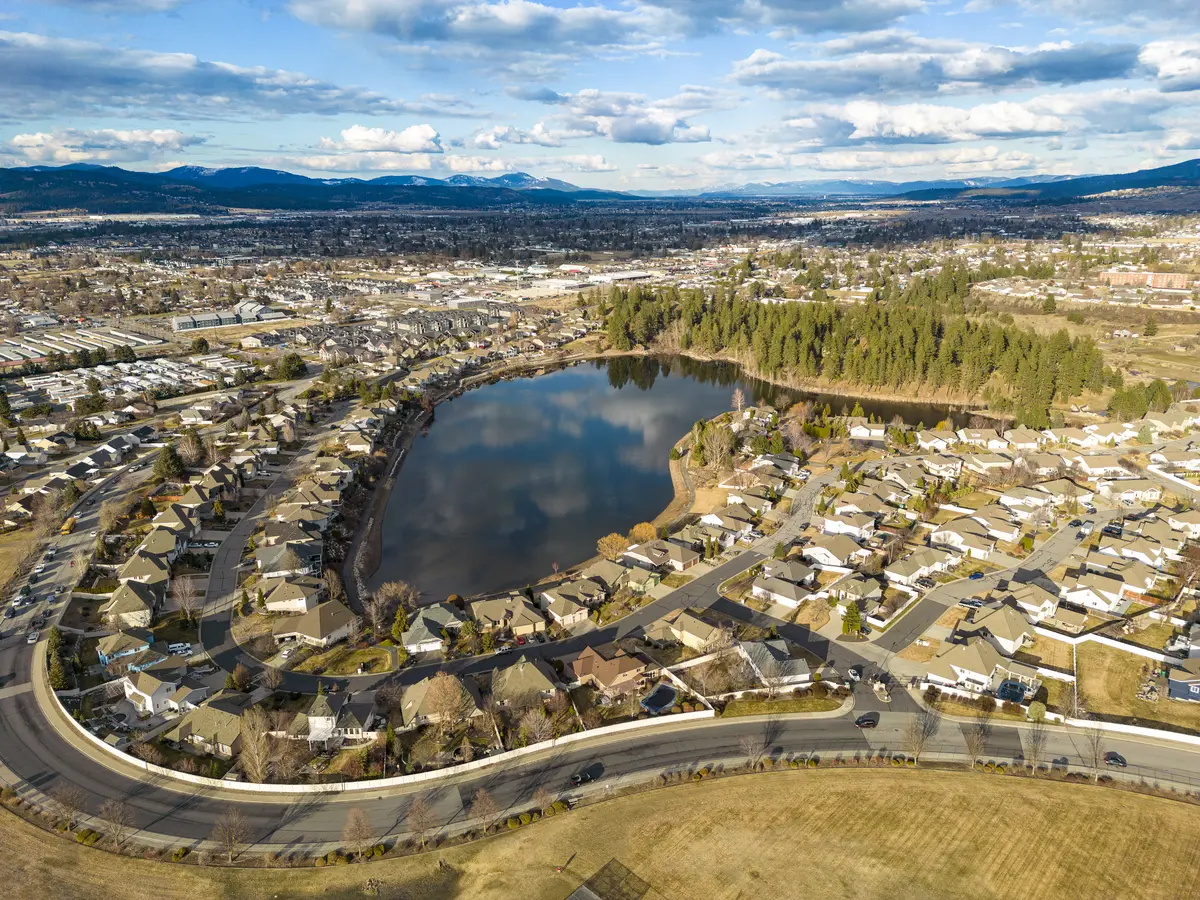

Spokane Valley Car Insurance Built for Real Washington Drivers
Spokane Valley car insurance starts with Washington’s requirements and your household’s needs beyond the legal minimums. WashingtonCarInsurance.com is operated by Drivers Insurance Agency, Inc. Use this guide to compare coverage, or call 844-348-1313 to discuss a quote request.
If you commute along Sprague, travel near Sullivan or share vehicles with other household drivers, describe that actual use when requesting quotes. Coverage depends on the policy, insured drivers and vehicles, and the facts of a loss; living in a particular city does not guarantee protection.
On this page you’ll find a clear explanation of WA minimums, how Spokane Valley driving conditions-snow routes, suburban commutes, borrowed cars-affect your coverage choices, SR‑22 basics, and a direct path to start an online quote request. If you’re looking for statewide details, visit our minimum car insurance page, or head to Spokane car insurance for city-specific information.
Finally, Car Insurance Designed Around Spokane Valley Roads and Households
A Spokane Valley household might share a vehicle for work and school, borrow a car occasionally or need transportation while a damaged car is repaired. Think through those situations before choosing limits and deductibles, including how you would manage a winter disruption.
Minimum liability limits and the informal phrase “full coverage” answer different questions. Neither tells you every coverage, exclusion or deductible in a proposal. Compare the actual policy choices against your vehicles, regular drivers and budget.
WashingtonCarInsurance.com focuses this guide on personal auto insurance, SR-22 filings and non-owner coverage. Review liability, comprehensive and collision choices separately, and ask which insurers and options are available for your circumstances.
This page breaks down your options in plain language. No claim of guaranteed savings or fixed premiums-actual policy terms and insurer underwriting always control.
Why a Spokane Valley–Specific Auto Insurance Policy Matters
Spokane Valley has its own mix of suburban traffic patterns, winter weather response priorities, and family driving habits that should influence how you choose coverage limits and deductibles. There’s no special insurance law that applies only to Spokane Valley-Washington’s rules are statewide-but local realities affect what coverage decisions feel comfortable and what gaps can cost you money.
Here’s what makes coverage decisions different for Valley households:
-
Multiple household vehicles – If your household uses two or more vehicles, disclose all regular drivers and each vehicle’s use. Compare liability, PIP, UM/UIM and physical-damage choices across the household. Vehicle details, driver history and other rating factors can affect the individual quote.
-
Snow and ice on local routes – Spokane Valley’s snow-removal information identifies primary travel routes, critical intersections and hillsides as priorities. It separately describes deicing locations such as bridges and school zones. WSDOT maintains Trent Avenue (SR 290) and Pines Road (SR 27). Conditions affect operations; no exact clearing time is promised for your trip. Use these resources for travel planning and review coverage for a collision or other loss separately.
-
Borrowed cars and regular access – Tell the insurer who owns a borrowed vehicle, how often you drive it and whether you live with the owner. The owner’s policy may be primary, subject to its terms, but permission alone does not settle every coverage question. Regular access may require a different arrangement from occasional non-owner coverage.
-
Repairs and transportation – Repair duration depends on damage, parts and shop availability. If your household depends on each car for work or school, compare rental reimbursement limits and a backup transportation plan. No particular Spokane Valley repair timeline is assumed.
-
SR‑22 and license reinstatement situations – Some Spokane Valley drivers need SR‑22 filings with the Washington DOL. That requirement affects which policy types you can use and how long you must maintain continuous coverage.
How WashingtonCarInsurance.com Helps Spokane Valley Drivers
Our goal is straightforward: help you meet WA law, choose realistic deductibles, and build coverage that fits a Spokane Valley budget and vehicle lineup. Here’s how we deliver on that:
-
Clarity on Washington’s minimum liability rules – We walk drivers through the current WA minimum auto insurance liability of 25/50/10-that’s $25,000 bodily injury per person, $50,000 per accident, and $10,000 property damage per accident. We explain what those numbers mean in a real Spokane Valley crash, because drivers often need higher coverage limits than the state minimums provide for serious accidents. Visit minimum car insurance for a deeper statewide discussion.
-
Tailored options for multiple cars and drivers – We help households decide which vehicles get comprehensive and collision coverage, which might carry liability only, and how to coordinate coverage when teens or other relatives drive multiple cars. Personal auto insurance can include comprehensive and collision coverage, but the right mix depends on your vehicles, your lender requirements, and your savings.
-
PIP and UM/UIM choices – Applicable Washington auto policies must offer PIP, which can be rejected in writing. UM/UIM coverage can also be rejected in whole or part in writing; it is not compulsory for every driver. UIM bodily-injury limits generally match liability limits unless reduced or rejected as permitted, while property-damage coverage is separate. See the Washington UIM statute and review the actual selection forms.
-
Support for SR‑22 and non‑owner insurance needs – We can pursue policies that include SR‑22 filings when required, and non‑owner car insurance for eligible drivers who don’t own a vehicle but still need proof of financial responsibility. All options are subject to insurer rules and eligibility.
-
Request a quote and review the terms – The online quote request supplies information for review. It does not bind insurance. Confirm insurer acceptance, payment requirements and the effective date and time before relying on coverage.
How Getting Spokane Valley Car Insurance Through Us Works
We serve Spokane Valley drivers online and by phone. This page does not represent a physical Spokane Valley office. Prepare your household information so the coverage discussion reflects how you actually use each vehicle.
Step 1: Start Your Online Quote Request or Call 844‑348‑1313
You can begin at the quote request page or call 844-348-1313 for a Spokane-area conversation. Have the following ready:
-
Driver’s license details for every regular driver in your household
-
Garaging address in Spokane Valley or nearby
-
Prior insurance history (carrier name, policy number, coverage dates)
-
Vehicle VINs and lienholder information, if applicable
Completing a request does not bind coverage or guarantee acceptance. Ask which insurers are included in the comparison, and compare proposals with matching limits, deductibles, drivers and policy terms. Eligibility and pricing are determined by the insurer.
Step 2: Match Coverage to Your Spokane Valley Driving Life
We review liability limits above the WA minimums, PIP, UIM BI/PD, and optional comprehensive and collision in light of your commuting patterns-whether you drive to downtown Spokane, Liberty Lake, or industrial areas-and winter driving on city and WSDOT routes.
We talk through deductible options. Raising deductibles can lower your premium if you can afford higher out-of-pocket expenses, but cutting too deep can create gaps that cost more in a serious claim. We look at your household budget and emergency savings, especially when multiple vehicles are on the policy.
If you need an SR‑22 filing or a non‑owner policy, we clarify how that interacts with any vehicles already in your household.
Step 3: Finalize, Bind, and Understand Your Policy
Review the proposed coverage, endorsements, exclusions and payment conditions. Ask for confirmation of the effective date and time before driving in reliance on a new policy. A quote, payment request or application by itself is not proof that coverage has begun.
Save digital and paper copies of your ID cards. Contact us when life changes-new car, address change, teen driver, or changes in how you use your vehicle-so coverage can be reviewed and adjusted.
What Makes WashingtonCarInsurance.com Different for Spokane Valley
Use these resources to prepare specific questions about your policy and the way your household travels.
-
Washington personal auto guidance – Our resources explain liability, vehicle-damage coverage, SR-22 filings and non-owner insurance. Follow the linked statewide guides when you need more detail, then review your own policy’s terms with an agent.
-
Official road information – The city’s snow-removal page helps distinguish city operations from WSDOT routes. That information supports travel planning; it does not establish an insurance rate or determine whether a loss is covered.
-
Education before decisions – We provide educational pages like affordable car insurance, non-owner car insurance, and claims, repairs, and deductibles so you can understand tradeoffs before choosing limits and deductibles. We want you to choose, not just accept whatever lands in front of you.
Spokane Valley Coverage Scenarios to Discuss Before a Claim
These examples illustrate questions to ask when choosing coverage. They are hypothetical situations, not customer testimonials or promises of payment. The policy terms, insurer’s review and facts of the loss control.
-
Winter slide at an intersection – A driver slides into another vehicle. Liability may address covered injuries or damage for which the driver is responsible. Collision may address covered damage to the insured vehicle, subject to the deductible. Rental reimbursement may help with transportation only under its triggering conditions and limits. Without applicable coverage, the household may have to pay the expense itself.
-
Teen sharing the family SUV – Tell the insurer when a teen begins learning or regularly driving a household vehicle. Ask when listing is required and how coverage applies. Failure to disclose required information can affect coverage. Student discounts, if offered, have qualifications; good grades do not guarantee a discount or replace proper driver disclosure.
-
Commuter rear-ended on Trent Avenue – PIP may help with covered medical and other specified expenses regardless of fault. UM/UIM may address covered losses involving an uninsured or underinsured driver. Collision may address damage to the insured car. Each coverage has separate terms and limits; road maintenance responsibility does not determine the claim outcome.
-
Driver with an SR‑22 requirement but no car – A Valley resident must file an SR‑22 to reinstate a suspended license but doesn’t own a vehicle. A non-owner policy with an SR‑22 filing can sometimes satisfy DOL requirements, subject to insurer eligibility. The SR‑22 itself does not authorize driving-it’s proof of financial responsibility, not a license.
Who Our Spokane Valley Car Insurance Approach Fits Best
WashingtonCarInsurance.com is built for specific types of drivers in Spokane Valley and nearby communities:
-
Two-car households – Compare limits, UM/UIM choices and deductibles for each vehicle. For an older paid-off car, weigh its value, the cost of physical-damage coverage and the amount you could afford to replace it yourself.
-
First‑time Washington policyholders – New arrivals to Spokane Valley from other states who need help translating old coverage into Washington’s requirements. WA’s 25/50/10 minimum, PIP rules, and UIM structure may be different from what you carried in your previous state.
-
Drivers navigating SR‑22 filings – People working to meet Washington DOL financial-responsibility requirements who need a liability policy or non-owner policy that can carry an SR‑22. SR-22 proof is typically required for three years after eligibility to reinstate.
-
Drivers without a car – If you occasionally borrow or rent and do not have regular access to a household vehicle, ask whether non-owner liability coverage fits your situation. Disclose vehicle ownership and access before relying on it.
Spokane Valley Coverage and Deductible Choices (Not Just “Full Coverage”)
“Full coverage” is an informal label, not a complete list of policy benefits. Identify liability, PIP, UM/UIM, collision, comprehensive and any transportation benefits separately, including deductibles and exclusions.
Washington Liability Limits and How They Apply in Spokane Valley
For most personal vehicles subject to Washington’s insurance law, the general liability minimums are $25,000 for bodily injury or death to one person, $50,000 for bodily injury or death to two or more people per accident, and $10,000 for property damage per accident. Washington DOL also lists approved alternatives, including a qualifying liability bond or certificate of deposit of at least $60,000, and self-insurance for qualifying owners of 26 or more vehicles. Specific vehicle exceptions apply.
For a hypothetical covered accident causing $30,000 of property damage, a $10,000 property-damage limit would leave $20,000 above that limit. A car’s value alone does not establish the claim amount. Compare higher liability limits with the premium and your potential responsibility; see the minimum car insurance guide.
PIP and Medical Needs for Spokane Valley Drivers
Applicable Washington policies must offer PIP. Without a written rejection, the insurer adds it and charges for it. PIP can help with specified medical, funeral, income-loss and loss-of-services expenses regardless of fault. The minimum medical benefit is $10,000 for covered expenses incurred within three years; other benefits have their own limits and conditions. See OIC’s PIP guidance.
Review PIP alongside health insurance and your ability to manage other expenses after an injury. Ask about covered people, benefit limits, exclusions and available higher limits. A winter collision does not create special PIP benefits.
Uninsured/Underinsured Motorist (UIM) in Washington
Washington’s UM/UIM rules generally provide bodily-injury limits matching liability unless coverage is reduced or rejected in writing as permitted. Property-damage coverage is separate. These coverages can address specified losses involving uninsured, underinsured or qualifying unidentified drivers, subject to the law and policy terms; they are not mandatory purchases for every policyholder.
Review any written rejection or lower-limit selection carefully. Ask how bodily-injury and property-damage benefits differ, which deductibles apply, and what reporting or evidence requirements apply to unidentified-driver claims. Do not assume every hit-and-run is covered.
Comprehensive, Collision, and Lender Requirements
Collision covers damage from your car hitting another vehicle or object. Comprehensive covers non-collision events: theft, fire, certain weather damage, and animal strikes, subject to policy terms, but it is different from separate homeowners or renters protection for valuables, so you should not assume prized personal items left inside the car are fully covered. Comprehensive and collision coverage are common auto insurance options, but neither is required by Washington liability law.
Lenders commonly require comprehensive and collision on financed vehicles-that’s a contract requirement between you and your lender, not a state mandate. Spokane Valley drivers with older, paid-off vehicles may choose to drop comprehensive or collision, depending on the vehicle’s value relative to premiums and deductibles. ZIP code influences insurance rates due to local risk patterns and claims history, so where you garage your car in the Valley matters.
Rental Reimbursement and Repair Downtime
Rental reimbursement or loss-of-use coverage can help pay for a rental car or transportation allowance when a covered claim puts your vehicle in the shop, subject to policy limits and terms.
Consider a hypothetical two-week interruption: could another household car cover work and school, or would you need a rental or other transportation? Rental reimbursement may have daily and total limits and may end before repairs do. Verify those limits rather than assuming a replacement vehicle is covered for the entire repair period.
Spokane Valley SR‑22 and Non‑Owner Auto Insurance
Drivers with a DOL financial-responsibility requirement and drivers without their own car have different questions. An SR-22 is a filing; non-owner insurance is a possible liability arrangement for eligible use. Neither should be selected without checking the individual circumstances.
SR‑22 Filings in Washington for Spokane Valley Drivers
An SR‑22 is a certificate of financial responsibility filed by an insurer with the Washington DOL. It’s not a separate kind of policy, and it’s not a license to drive by itself. It proves you carry at least the minimum liability coverage Washington requires.
SR-22 proof is typically required for three years from when a driver is eligible to reinstate their license-not from the date of the violation. The DOL sets individual requirements based on the specific suspension. Situations that trigger an SR‑22 include DUI convictions, accidents without insurance, and certain license suspensions.
A lapse or cancellation can lead to further DOL action, including suspension. Confirm the effect on your individual requirements rather than assuming an automatic restart of the entire filing period. Review the Washington SR-22 guide and your DOL notice before switching policies.
Non‑Owner Car Insurance Limits and Uses
Non‑owner car insurance is liability coverage for eligible drivers who don’t own a vehicle and only occasionally borrow cars or rent short-term. It does not cover cars owned by the insured or members of their household, and it does not pay for physical damage to the borrowed vehicle itself. It typically does not fit rideshare or delivery use.
A non-owner policy may fit some occasional rental or borrowing situations, subject to eligibility. Ask separately about car-share, rental and physical-damage requirements. Regular access to a roommate’s or family member’s car should be disclosed to the vehicle’s insurer; do not assume a non-owner policy substitutes for that arrangement.
Spokane Valley Car Insurance Costs: What Really Affects Your Rate
Your premium depends on the insurer, drivers, vehicles, coverage and other permitted rating factors. Compare current written quotes using consistent information. A citywide average or advertised starting price cannot establish what your household will pay.
-
Driving and claims history – Prior accidents, claims and violations can affect eligibility and premiums. A DOL SR-22 requirement depends on your individual situation, not simply driving on a particular road. Ask whether any safe-driver discount applies to your record.
-
Vehicle and use – Report vehicle details, actual annual mileage, commute distance and any business, delivery or rideshare use. A newer SUV and an older sedan can be rated differently, but no universal price comparison applies without equivalent quotes.
-
Coverage and deductibles selected – More coverage and lower deductibles usually mean higher premiums. Cutting coverages may save money now but create gaps that cost far more in a serious claim. It’s a deal you make with yourself about risk tolerance.
-
Household drivers and available discounts – Disclose all required drivers and ask about multi-car, student and other qualifications. Usage-based programs may affect prices in either direction; review their data collection and terms. If a proposed discount depends on another policy, compare the combined cost and confirm availability.
-
Credit-based insurance information – Washington permits certain uses of credit history subject to restrictions. See OIC’s credit and insurance explanation. Review coverage at renewal or after household changes; comparing equivalent quotes can help assess options but does not guarantee savings.
Pricing & Ways to Request Spokane Valley Quotes
A quote uses your specific drivers, vehicles, coverage selections and insurer rules. Request a written proposal showing the total premium, policy term, payment schedule and any fees. These coverage approaches are examples to compare, not fixed-price plans.
Getting Started: Minimum‑Focused Drivers
If affordability is the immediate concern, compare the general 25/50/10 minimum with higher limits. The minimum is a legal floor; a serious accident can exceed it. Ask how much additional coverage would cost before deciding.
We can request quotes with liability at or near the minimum while also presenting options to modestly increase limits for better protection. You choose what you can afford; we make sure you understand what you’re accepting.
Balancing Protection and Budget: Most Households
Compare higher liability and UM/UIM limits with the premium, and review collision and comprehensive separately for each vehicle. Different deductible options can make the tradeoffs clearer. Choose based on the written proposals, household finances and any lender requirements.
Complex Needs: SR‑22, Multiple Cars, and Special Situations
Tell the agent about SR-22 requirements, multiple vehicles, business use and any mixture of owned and borrowed cars. Additional insurer review may be needed. Ask about the next step and confirm coverage before relying on the proposed policy.
Compare Spokane Valley Auto Insurance Companies on Equal Terms
Build a comparison with one line per vehicle and columns for liability limits, PIP, UM/UIM, comprehensive, collision, deductibles and transportation benefits. Include the policy term, total premium, installment fees and effective date. Ask each insurance company or agent to explain any differences before choosing a lower price.
Discounts for multiple cars, qualified students or safe driving vary by insurer. If a quote includes a discount tied to home or renters insurance, compare the combined cost and coverage and verify that both products are available to you. A bundle is not automatically the best deal, and this page does not promise another insurance product.
Clients who drive for work should describe the activity precisely. A commute is different from transporting paying passengers, delivering food or carrying customers. Ask whether the proposed personal policy covers that use or whether a different endorsement or commercial arrangement is needed before starting the activity.
Plan for the Deductible and a Car Accident
Compare a $500 and $1,000 collision deductible using the same policy proposal. The larger deductible adds $500 to your share of a covered loss to which it applies; ask for the actual premium difference and check any lender restriction. Keep a practical reserve for that amount and for transportation costs beyond the policy’s benefit limits.
After an accident, address immediate safety needs and report the loss promptly as required by your policy. Keep photos, contact details, the location and any report number when it is safe to collect them. Ask the insurer about next steps, repair authorization and rental limits before committing to expenses you expect it to pay. Our claims, repairs and deductibles guide explains the questions to prepare.
Review the policy at renewal and when a driver, vehicle or garaging address changes. If switching companies, confirm the new effective date and time before ending the old policy, and coordinate any SR-22 filing. Keep current proof of coverage available for the vehicle.
Frequently Asked Questions About Spokane Valley Car Insurance
Concise, practical answers focused on Washington rules and Spokane Valley realities.
Do I really need more than Washington’s 25/50/10 minimum in Spokane Valley?
The general minimum meets the liability-insurance requirement for applicable vehicles, but it can be exhausted in a serious accident. Compare higher limits with their premium and the amount you could owe beyond insurance. The minimum coverage guide explains the limits and alternatives.
How does Spokane Valley’s snow and ice affect the coverage I should choose?
Think through a collision, damage to a parked car and loss of transportation. Review comprehensive and collision terms, deductibles and rental benefits. Check the city’s current snow information for travel planning; weather does not by itself establish a premium or make a claim covered.
What’s the difference between putting my teen on my policy and having them get their own?
Tell the insurer about a teen’s permit, license, household residence and vehicle access. Ask when the teen must be listed and compare any permitted arrangements using the same coverage. Prices and eligibility vary. If student discounts are offered, confirm their requirements; undisclosed regular use can affect coverage.
Can a Spokane Valley non‑owner policy cover a car I borrow from my roommate or family member?
Non‑owner coverage is generally not intended for vehicles owned by household members or cars you have regular access to. The owner’s policy is usually primary for that vehicle. If you’re in this situation, talk with us about the specifics before assuming you’re covered-the answer depends on who owns the car, how often you drive it, and your insurer’s eligibility rules.
How long will I need an SR‑22 in Washington if I live in Spokane Valley?
Many drivers are required to keep an SR‑22 on file for about three years from the date they become eligible to reinstate their license, but the exact period is set by the Washington DOL for each case. Check your DOL notice or online account and contact us at 844-348-1313 if you need a policy that can file the SR‑22 on your behalf.
Which company has the cheapest car insurance in Spokane Valley?
No company is cheapest for every driver. Request current quotes using the same drivers, vehicles, limits and deductibles. Check fees and the full policy term, and ask which discounts actually apply. Keep useful coverage in the comparison instead of treating a lower premium as proof of a better policy.
What information should I tell my insurance company?
Answer the application accurately, including household drivers, regular vehicle access, garaging location, mileage and any business use. Update material changes promptly. Hiding information can affect eligibility or coverage; ask the insurer how to report a situation you are unsure about.
Does car insurance cover valuables stolen from the car?
Comprehensive may cover theft of the vehicle or specified damage, subject to its terms and deductible. Personal belongings can involve separate renters or homeowners coverage, with its own limits and exclusions. Ask each insurer which policy applies; do not assume auto coverage pays for everything left inside.
Can I use a non-owner policy for a car I drive every day?
Regular access to a household or other vehicle may make non-owner coverage unsuitable. Describe the vehicle, ownership, residence and frequency of use to the insurer. Ask how to be properly covered under the vehicle’s policy or another eligible arrangement.
Get Started on Spokane Valley Car Insurance Today
Compare the policy’s actual limits, deductibles and exclusions with your household’s needs. Keep the coverage you find useful while weighing the premium and the costs you would retain after a loss.
Start a quote request or call 844-348-1313. A request does not bind coverage. Confirm insurer acceptance and the policy’s effective date and time before relying on it.
Additional Washington resources are available on Washington city directory, affordable car insurance, SR‑22 insurance, non-owner car insurance, and claims, repairs, and deductibles for readers who want to keep learning before they decide.
Spokane Valley Household Transportation Checklist
Before requesting quotes, use this checklist to clarify what you drive, who drives, and what you can afford if the worst happens:
-
☐ List every vehicle in your Spokane Valley household-including older “spare” cars-and note whether each is financed or paid off.
-
☐ Write down all regular drivers, including teens or relatives who live with you or frequently use your vehicles.
-
☐ Estimate how many miles each vehicle drives per week and whether trips are for commuting, business, school, or errands.
-
☐ Decide the maximum deductible you could realistically pay out of pocket without creating a financial crisis.
-
☐ Review your health insurance and savings so you can make informed decisions about PIP and UIM coverage levels.
-
☐ Gather VINs, lienholder information, and your current policy declarations page (if you have existing coverage).
-
☐ Note any special circumstances: SR‑22 requirements, non-owner situations, or changes in how you use your vehicles.
Having this information ready makes the quote process faster and helps us match you with coverage that genuinely fits your household.